Westport, New Canaan, Fairfield County & all of Connecticut
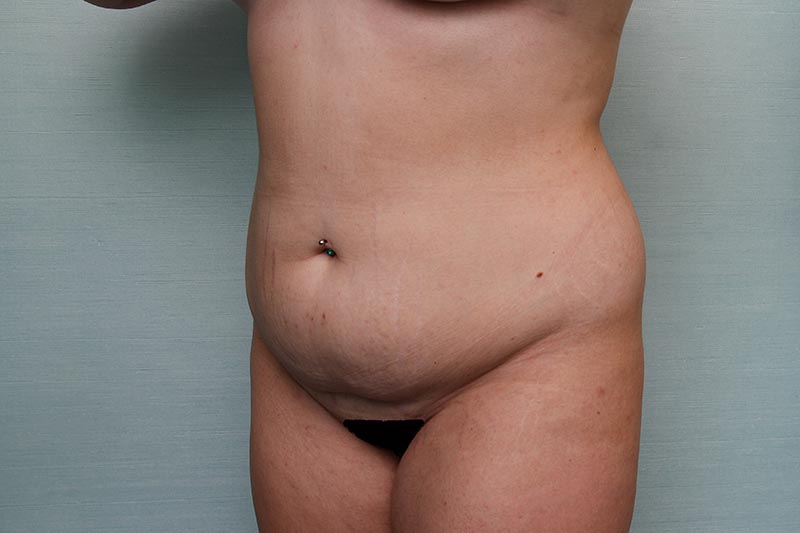
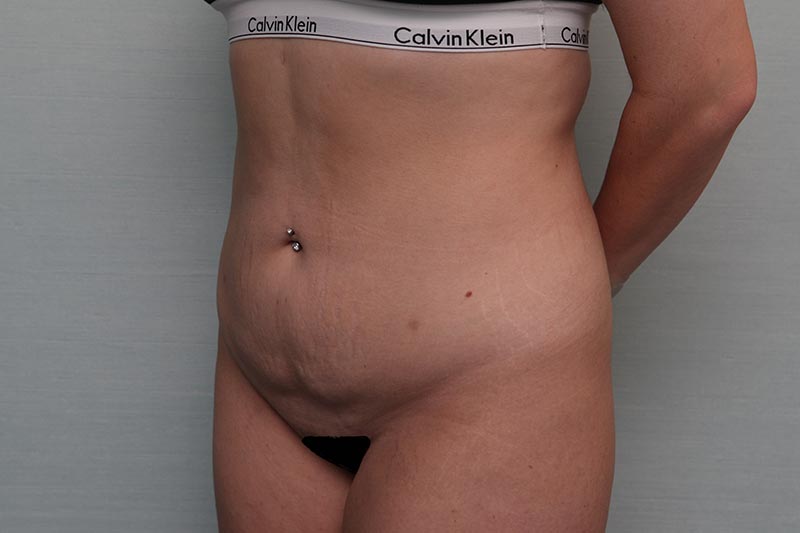
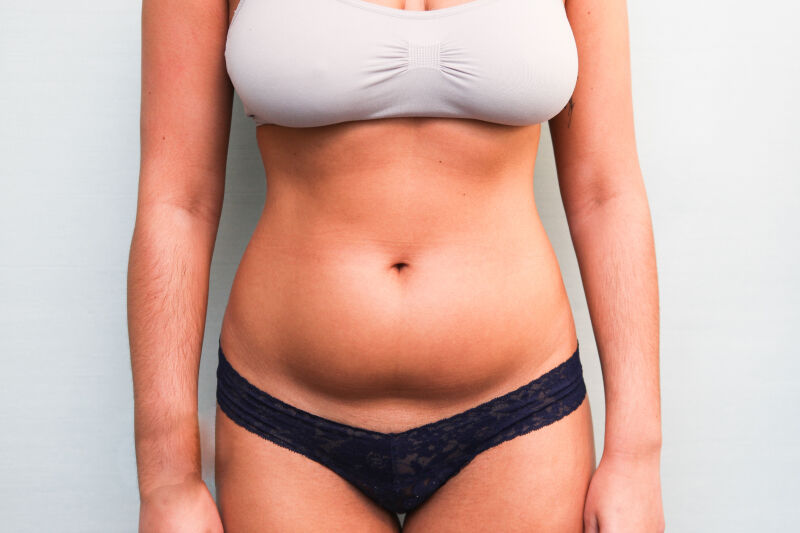
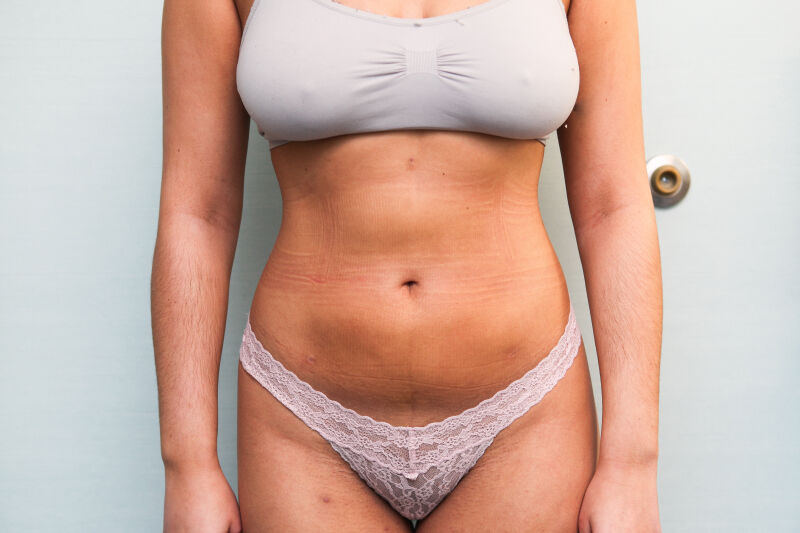
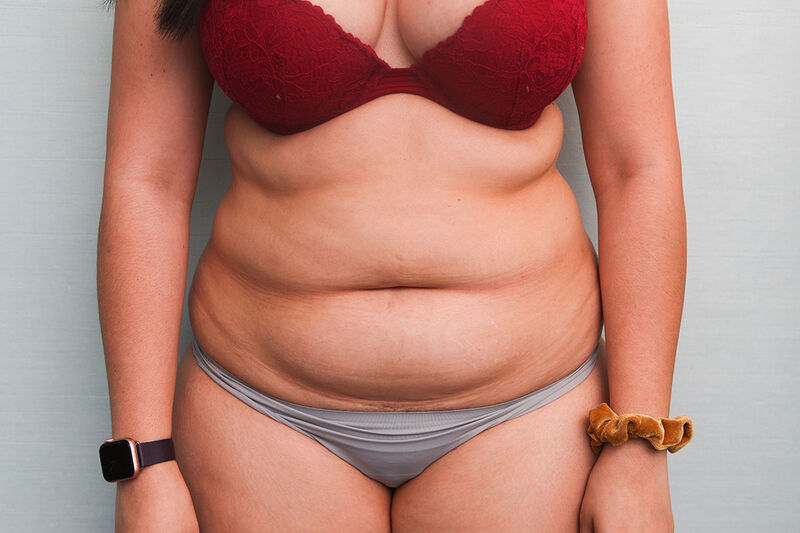
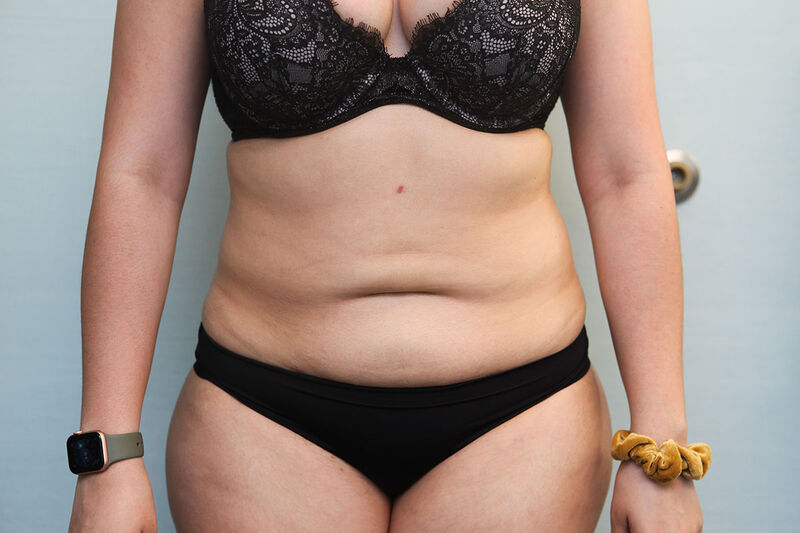
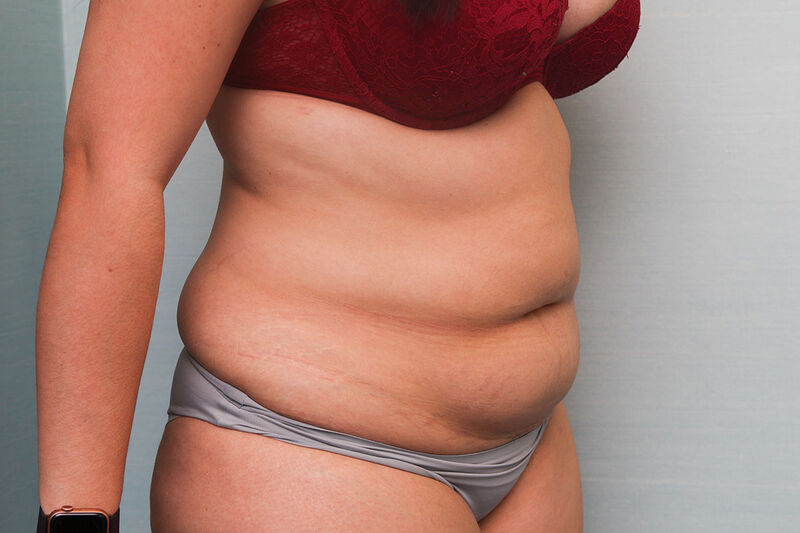
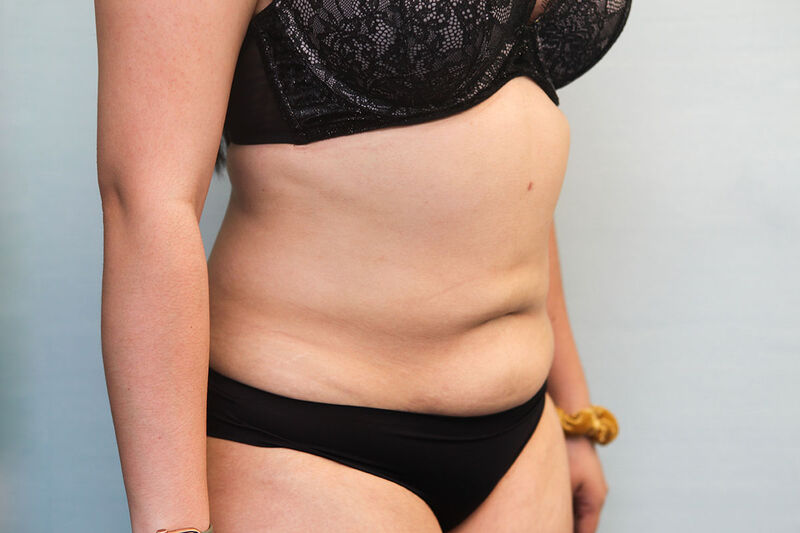
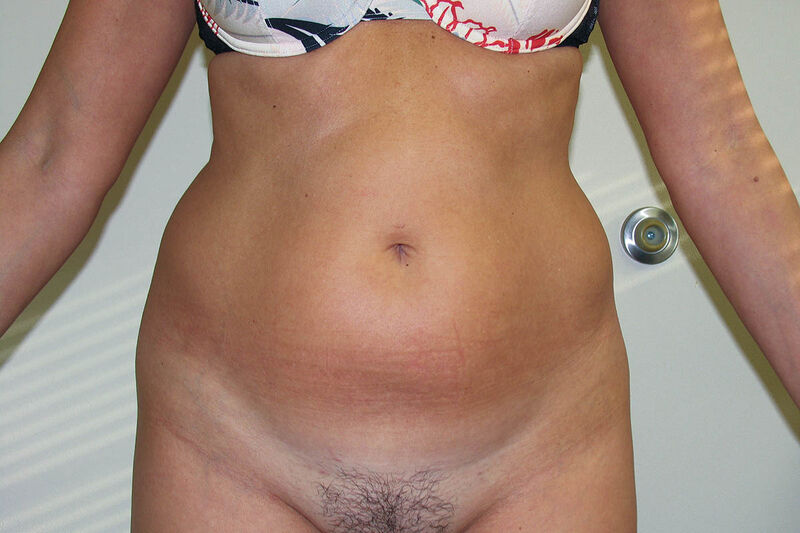
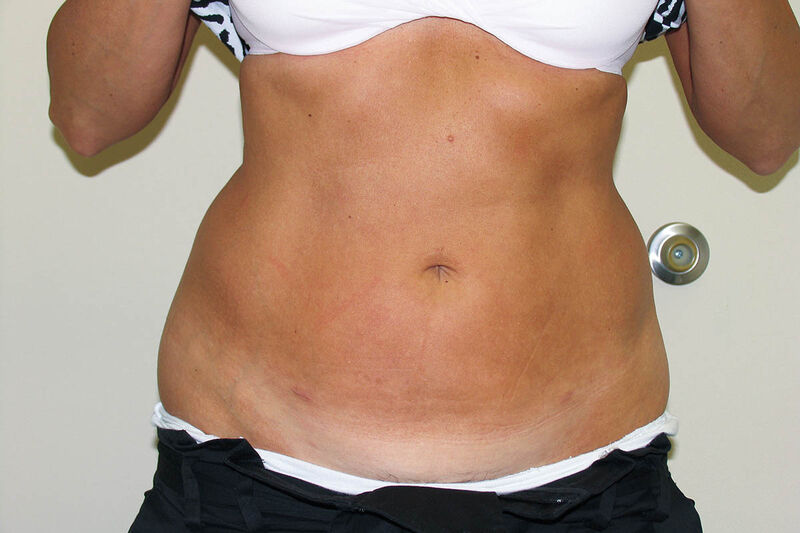
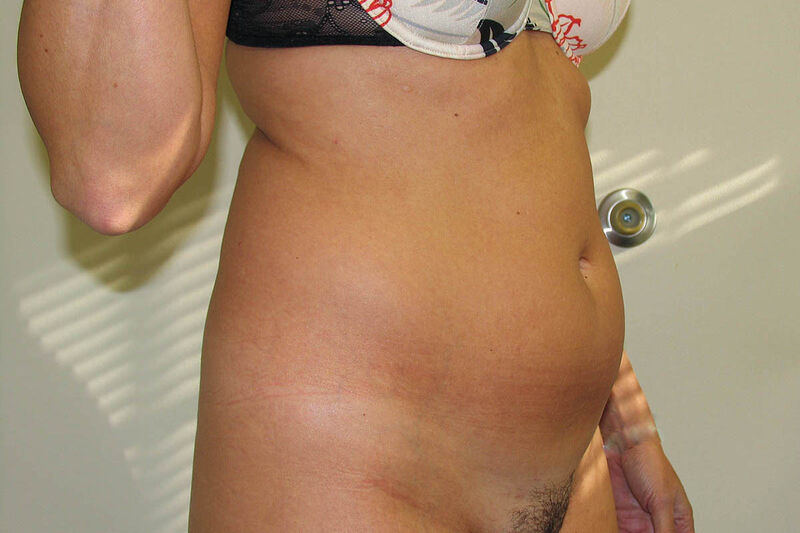
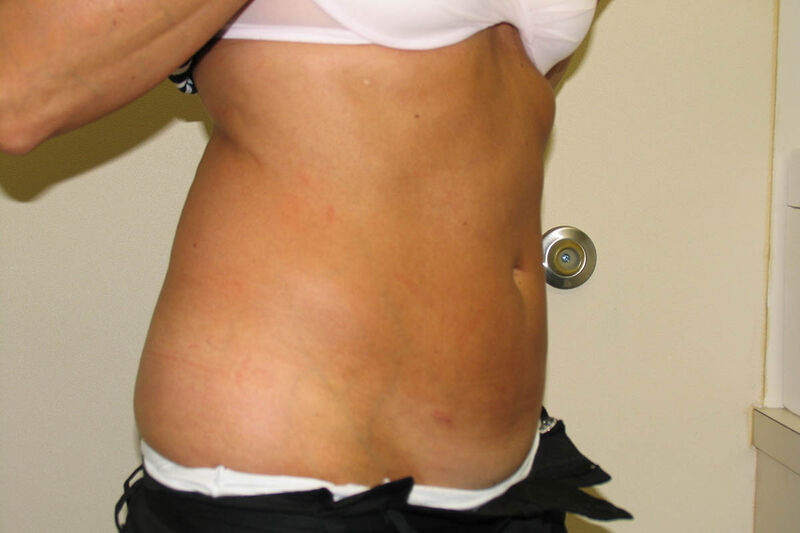
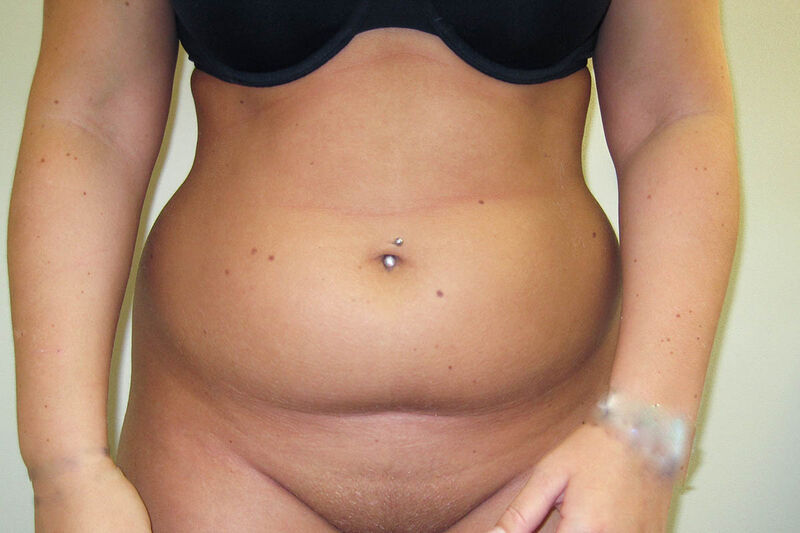
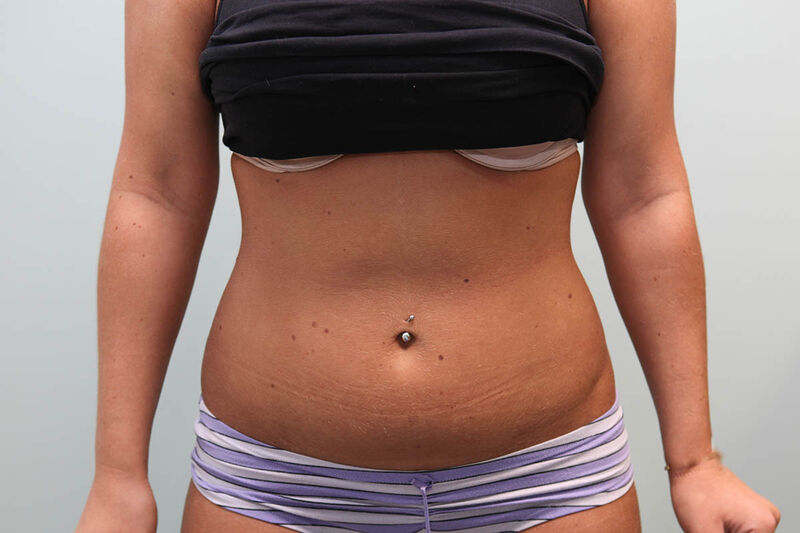
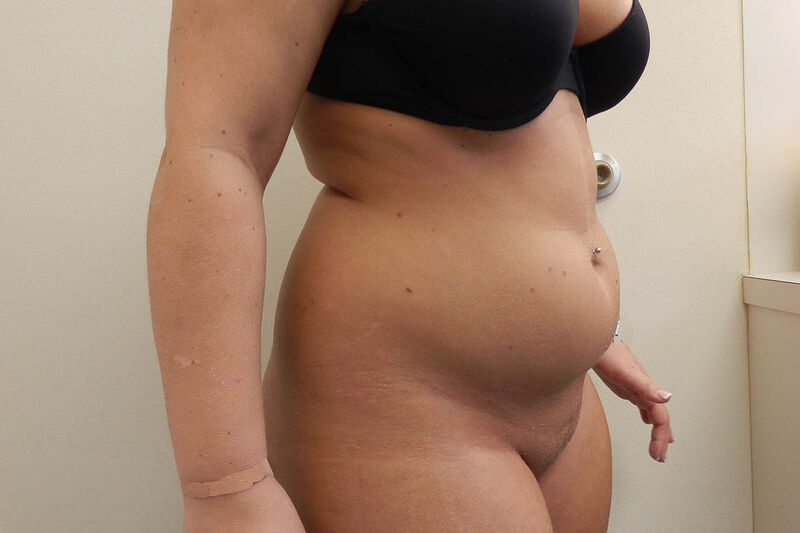
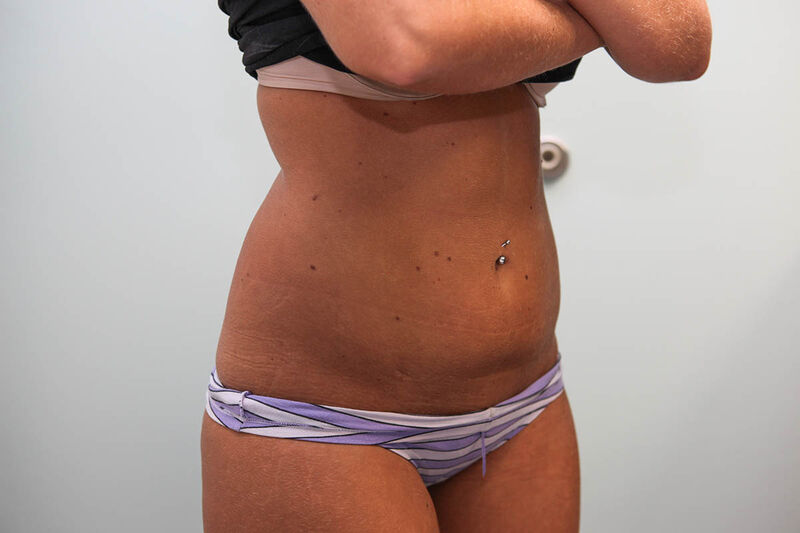
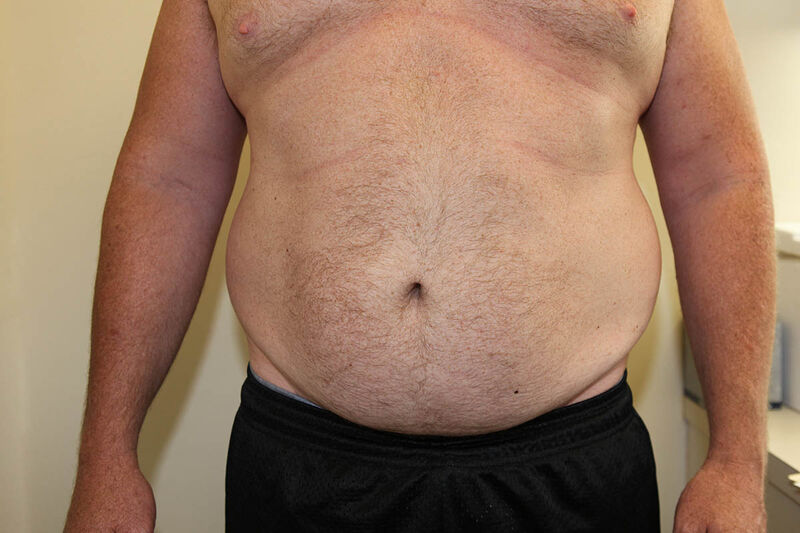
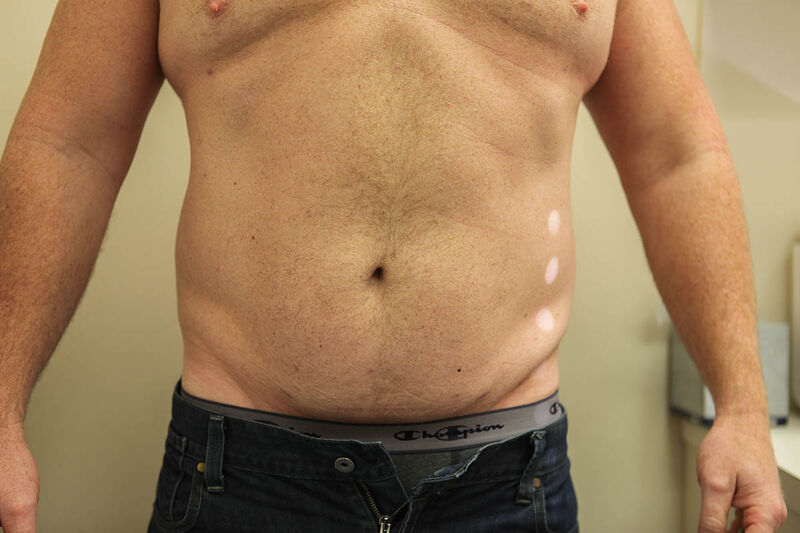
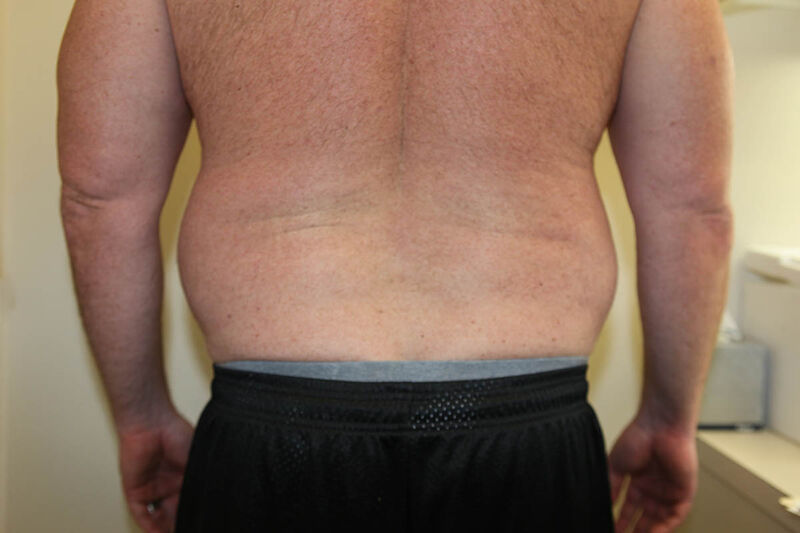
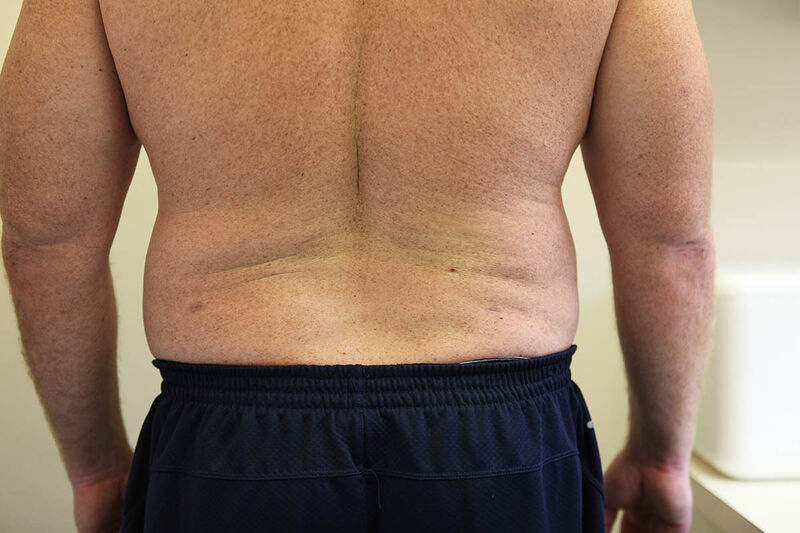
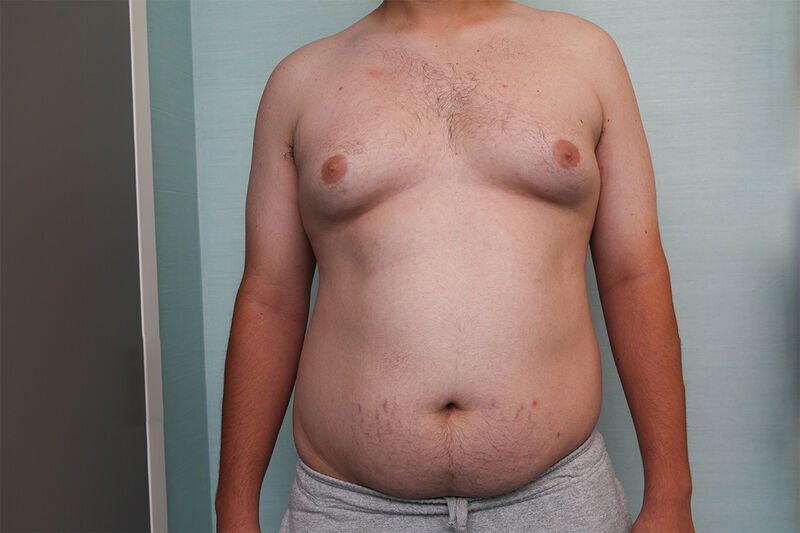
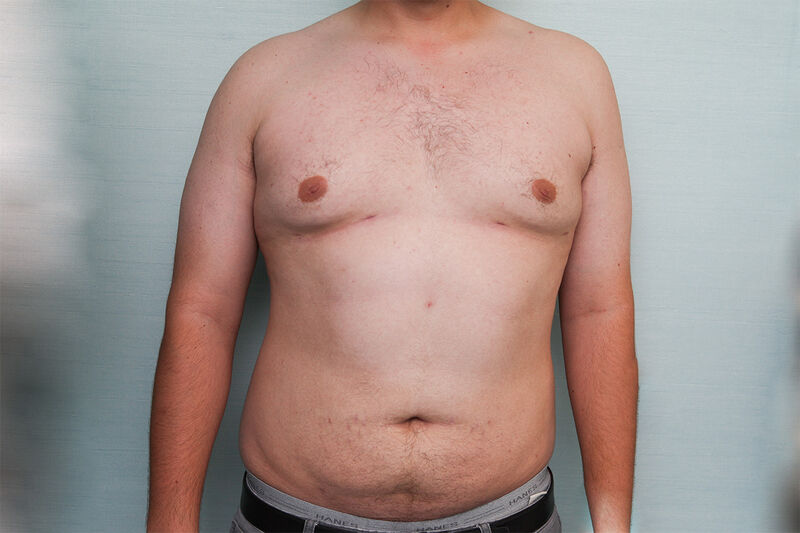
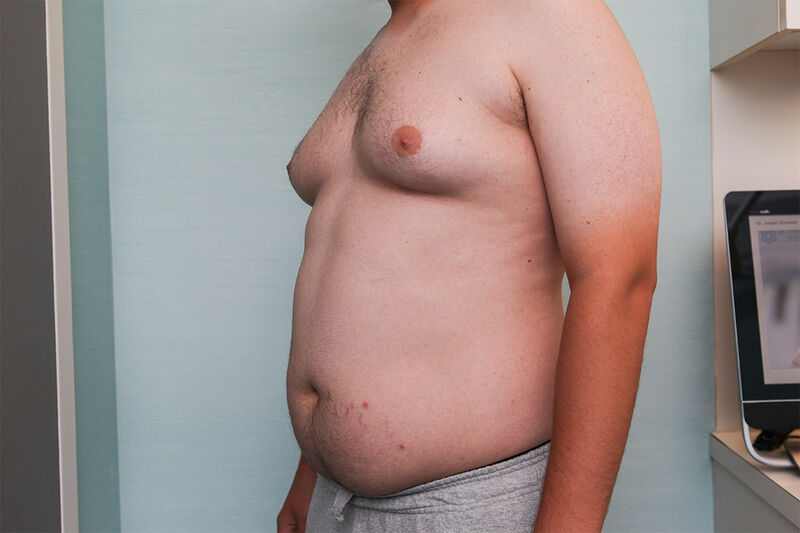
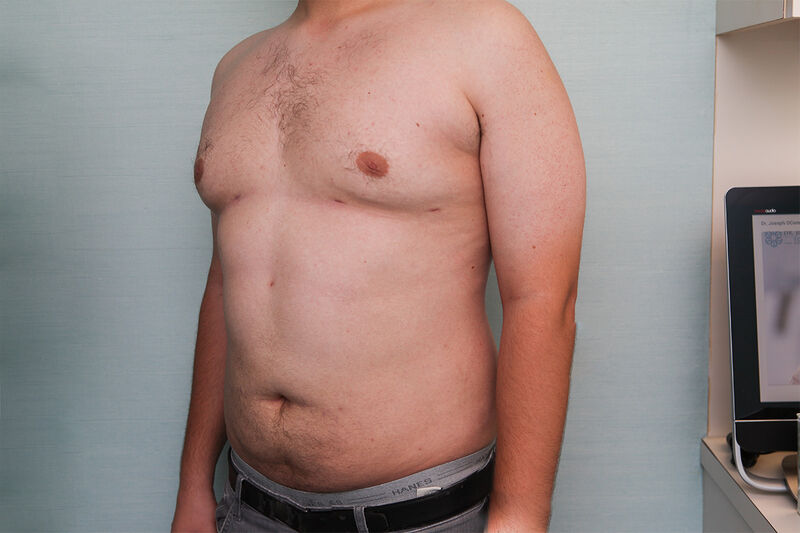
Liposuction is a cosmetic procedure where fat is eliminated from different areas of the body including the abdomen, arms, face and thighs, with the aid of a vacuum technique. The incisions are small and hidden as much as possible.
Liposuction is a common choice to contour areas that are resistant to a healthy diet and exercise.
 Swipe To Next
Sometimes despite all those hours in the gym and our best efforts with a healthy diet, we’re unable to obtain the body we want. Whether it’s a minor touch-up or a major transformation, liposuction may be the solution to help you achieve your aesthetic goals.
And remember – there’s no substitute for the training, experience and skill of a board certified plastic surgeon with over 35 years of experience in body contouring.
At our practice in Fairfield County Liposuction is the removal of fatty deposits from the body with the aid of vacuum technology. Energy-based techniques employ various power sources to assist in fat removal and in skin shrinkage.
Liposuction helps to reshape specific areas of your body by eliminating excess fat deposits and, in the process, enhance your body contours and proportion.
Liposuction can be used in many areas of the body such as the neck, abdomen, arms, back, thighs, knees, hips, love handles and waist.
For those looking to refine and enhance their natural shape, liposuction offers a targeted approach to addressing stubborn fat that doesn't respond to traditional diet and exercise. It's not about drastic change—it's about subtle sculpting to reveal the contours of your best self. Liposuction can address a range of aesthetic concerns, such as:
Liposuction offers an artful, selective approach to sculpting so you can address specific problem areas and bring out your best silhouette. Dr. O'Connell works with a meticulous hand, treating areas like:
Liposuction goes beyond surface changes, empowering patients to feel more comfortable and confident in their skin. When performed by a skilled expert like Dr. O'Connell, liposuction can create lasting, positive changes that enhance your quality of life. Here's what liposuction can offer:
Preparation for liposuction with Total Aesthetics is a careful process, guided step-by-step, to help you feel confident and prepared for your procedure. Here's what to expect:
A full assessment of your health and goals ensures this is the right fit for you.
You'll be asked to pause certain medications temporarily and be ready to make some lifestyle adjustments to better support your recovery.
From hydration to a nourishing diet, our team will give you a clear pre-surgery plan.
Staying away from smoking is important, as it impacts healing and recovery.
Depending on the areas treated, the procedure generally takes one to three hours. Local anesthesia or IV sedation is used to ensure a comfortable experience. Dr. O'Connell carefully places tiny incisions for minimal scarring, and a slim cannula is used to selectively remove fat and contour the targeted areas of the body.
Initial improvements are typically visible within the first few weeks, but the true magic unfolds over the following months as your body adjusts and swelling subsides. In most cases, you can enjoy your final results within three to six months. With the right lifestyle habits, these results will stand the test of time.
Aftercare is just as important as the procedure itself. Dr. O'Connell and his team will provide guidance on maintaining and enhancing your results, including using compression garments to reduce swelling and establishing an active lifestyle, including regular exercise. Follow-up appointments are key to ensuring long-lasting, beautiful results.
Dr. Joseph O'Connell's reputation as a double board-certified plastic surgeon in Fairfield County, with top-tier training and extensive experience in body contouring makes Total Aesthetics the premier choice for liposuction. With a private in-house surgical suite, our clients experience comfort, privacy, and attentive care from start to finish.
Each liposuction treatment is as unique as you are. At Total Aesthetics, pricing reflects the personalized nature of every procedure, factoring in the areas treated, technique, and potential combination procedures. Our pricing includes comprehensive surgical fees, anesthesia, facility costs, and follow-up care, with transparency and clarity about what's involved. During your consultation, we'll walk you through the pricing details that apply to you.
Total Aesthetics in Westport and Fairfield County
The term “tumescent technique” involves the injection of a large amount of fluid into a fatty area. By “wetting” the fat, easier removal is possible with smoother contouring and reduced bleeding. Many plastic surgeons utilize a form of this technique for liposuction, especially the “superwet” technique.
Most external areas of localized fat deposition in the body can be potentially treated with liposuction. Abdominal liposuction, along with liposuction for thighs and hips, arms, back and even the knees are the most frequently treated areas in women. In men the abdomen, flanks (“love handles”) and chest are the most popular. In both sexes, chin liposuction is commonly used to treat small fatty deposits.
Fat grafting, also known as autologous fat transfer, is a technique where harvested fat is re-injected into another area to enhance contour. At Total Aesthetics in Fairfield County, we are pleased to offer fat grafting, including Nano Fat, to our patients.
In recent years, non-invasive fat removal, especially Coolsculpting from Allergan, has experienced significant growth and increased market share. While Coolsculpting now greatly exceeds liposuction in popularity at Total Aesthetics, it’s important to note that liposuction remains the “gold standard” for fat removal because of its effectiveness and predictability. Nevertheless, the many advantages of Coolsculpting when compared to liposuction, including lower cost, lower risk, faster recovery and no need for anesthesia, incisions or scarring, account for the great popularity of non-invasive fat contouring at our practice.
Remember when it comes to non-surgical body contouring it’s no longer just about fat removal – it’s “Sculpt and Tone” with Allergan’s Coolsculpting and Cooltone technologies.
All surgeries carry uncertainty and risks, and a discussion of the alternatives and potential complications is an important part of your preoperative consultation(s) with Dr. O’Connell. Contour irregularities and asymmetry are among the most common complications following liposuction.
After liposuction Westport patients may receive a compression garment or elastic bandages to not only cover the treatment areas but also reduce the swelling and compress the skin to your new contours. Small temporary drains may be planted in the incisions to expel any excess blood or fluid.
Although strenuous exercise should be avoided for a while, you should still move around to help against blood clots forming in your legs. Also, be aware of signs of complications such as bleeding, fever, headache, infection, nausea, severe pain, or green or yellow discharge from the incision.
There are many different types of liposuction including traditional liposuction, power-assisted liposuction, ultrasonic liposuction (e.g. VASER® liposuction), water-jet liposuction, and laser liposuction (e.g. Smartlipo™). Utilization of these technologies is greatly dependent upon the surgeon’s preference. Dr. O’Connell believes that liposuction techniques should emphasize not simply the removal of fat, but rather the creation of form.
In order to receive liposuction Westport candidates need to be close to their ideal weight and have one or more areas of fat that they are unable to lose through diet and exercise. In addition, Westport liposuction patients should be:
The first step towards a new, beautiful you is to schedule a personal consultation.
Along with providing the highest level of care, no effort is spared to create an environment where each patient is nurtured and cared for as an individual. Use our form to contact Dr. O’Connell with questions about any of our aesthetic or plastic surgery procedures.
Call us Today (203) 454-0044


Office Hours
Mon-Fri: 9am - 5pm
Sat: 10am - 1pm
Total Aesthetics proudly serves patients from Westport, New Canaan, Bridgeport, Greenwich and all of Fairfield County Connecticut.
Disclaimer | No Surprise Disclaimer*
Privacy Policy | Accessibility Statement | Sitemap
*Good faith estimates are available upon request per the No Surprises Act.
Plastic Surgery Marketing by Influx
© 2026 Total Aesthetics, L.L.C. Joseph B. O’Connell, MD