Westport, New Canaan, Fairfield County & all of Connecticut
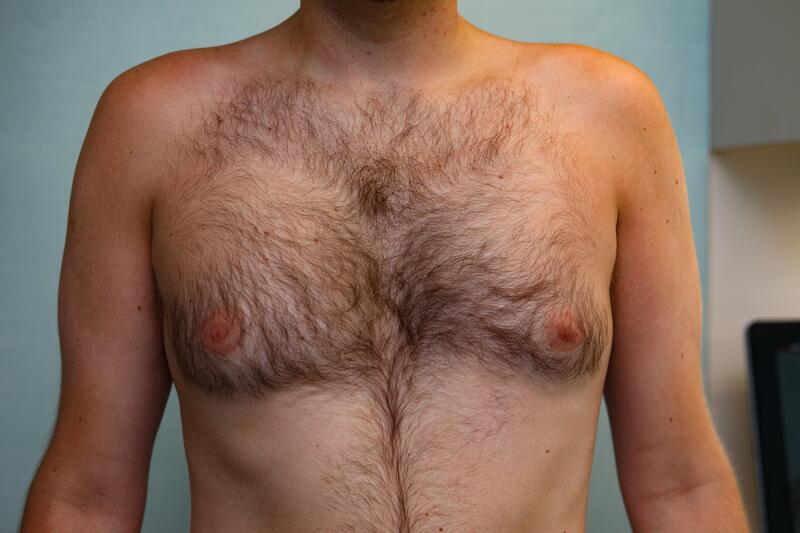
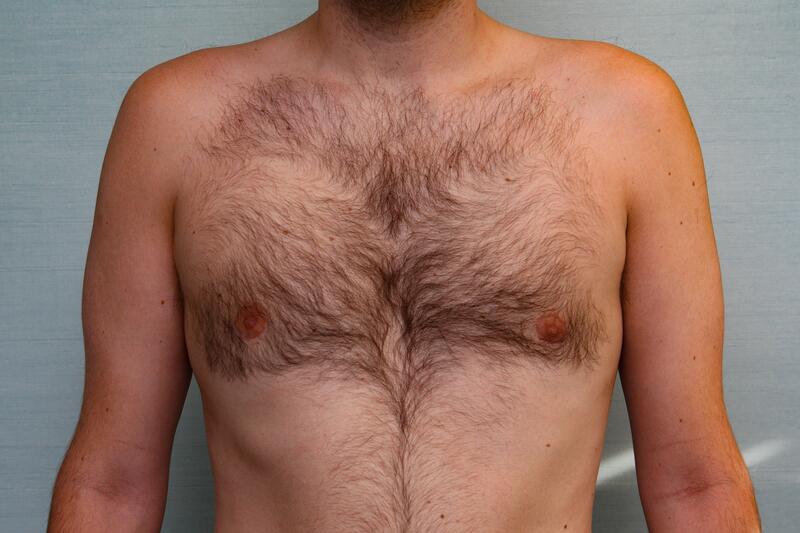
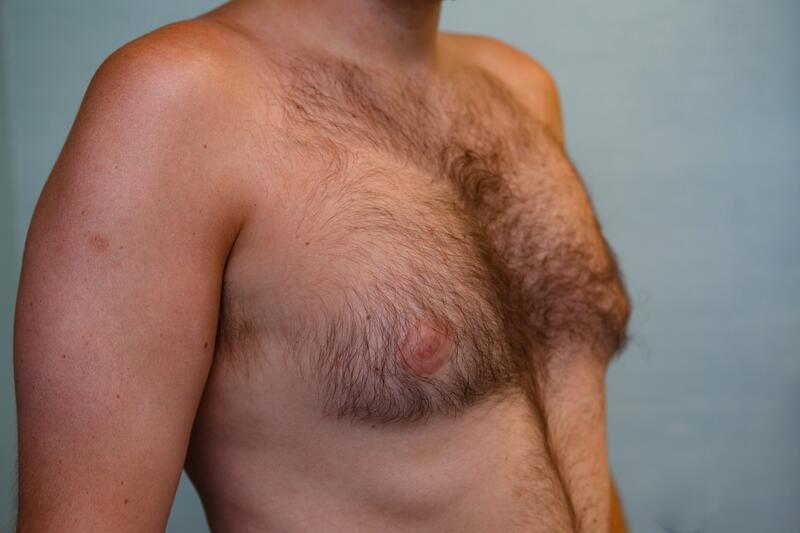
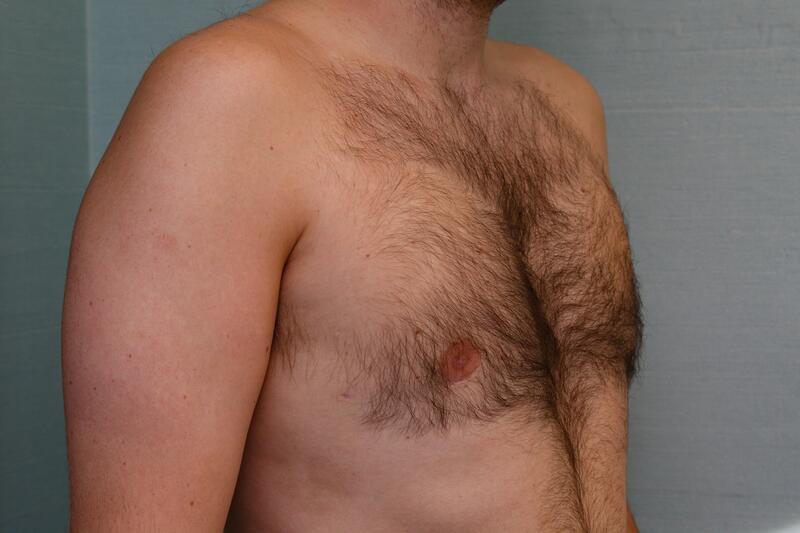
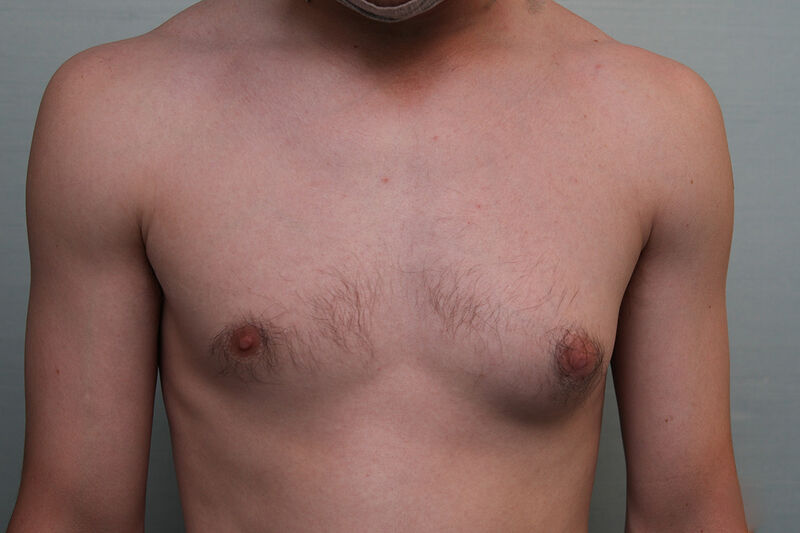
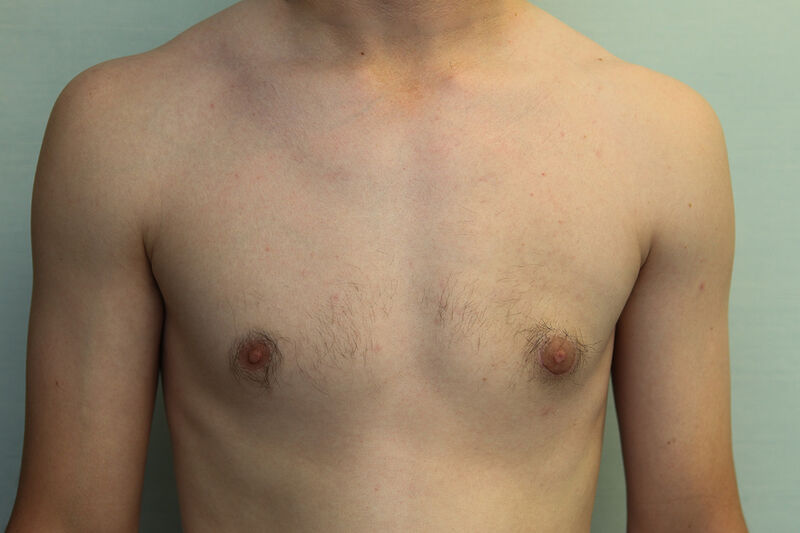
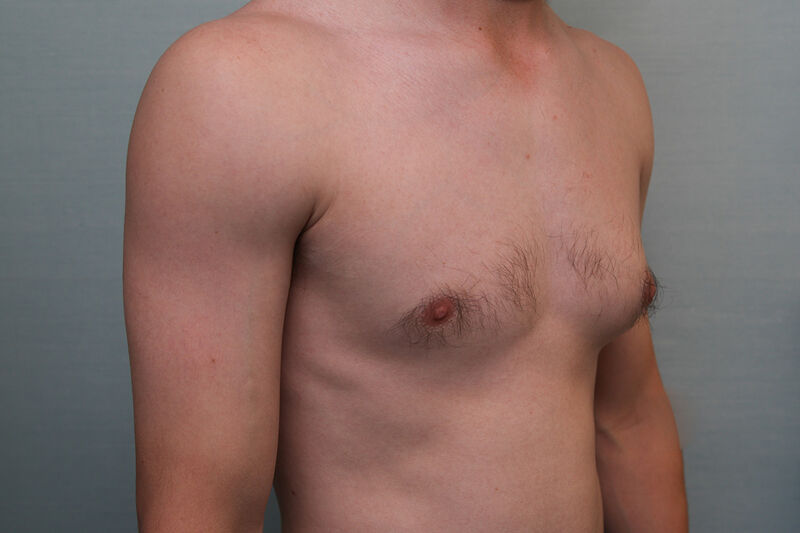
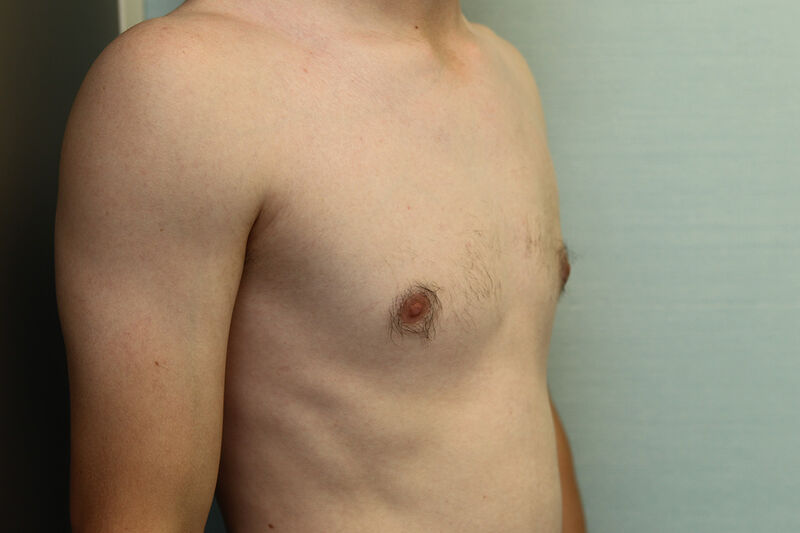
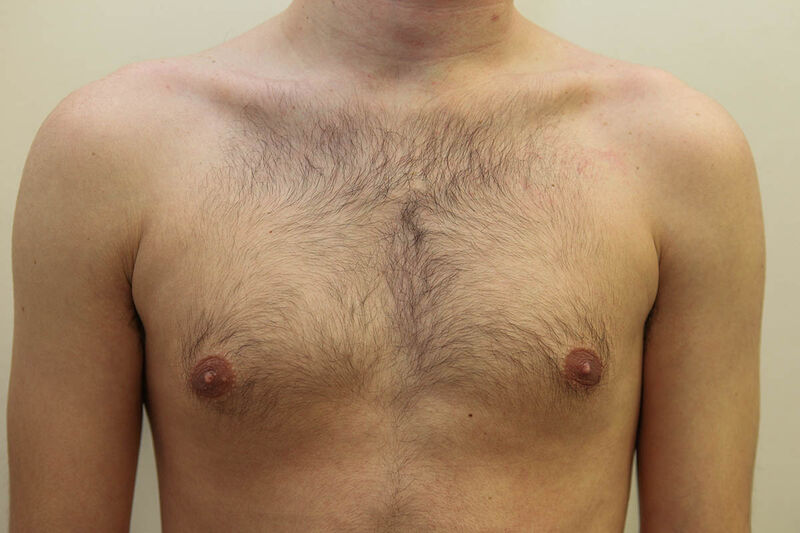
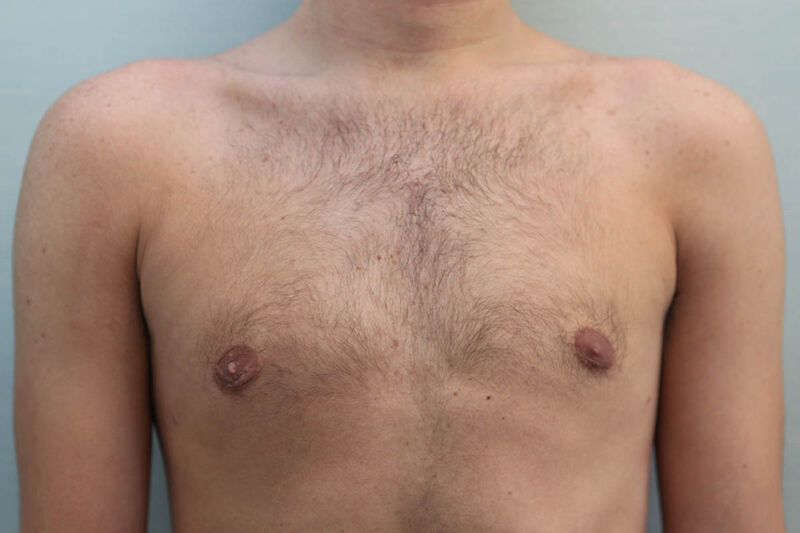
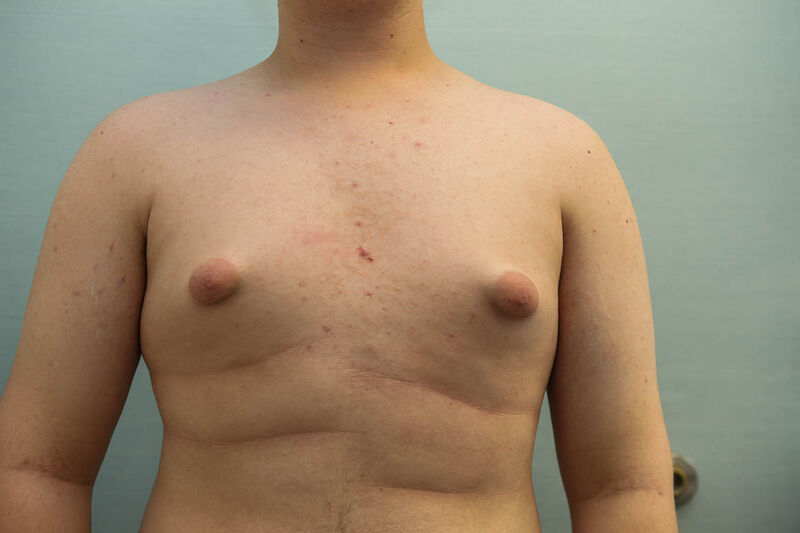
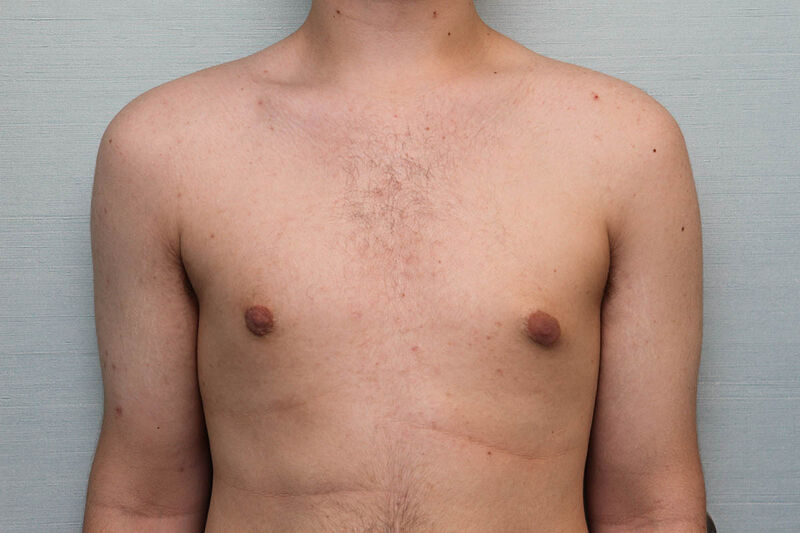
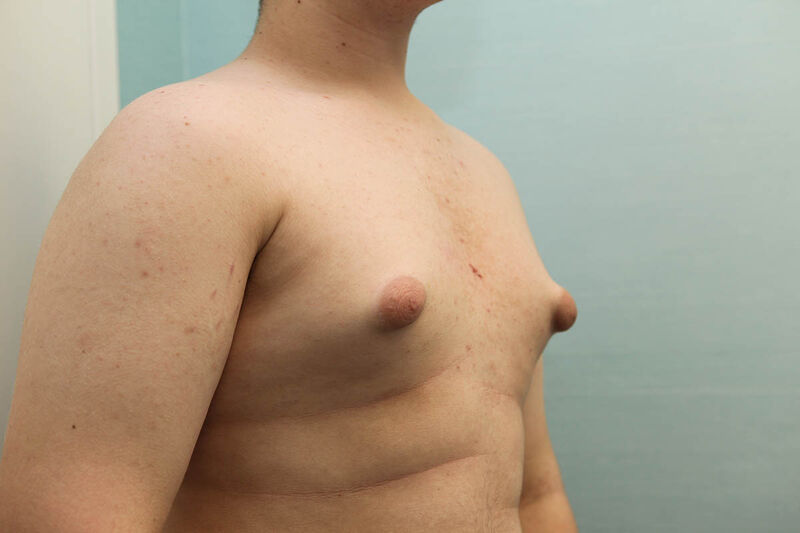
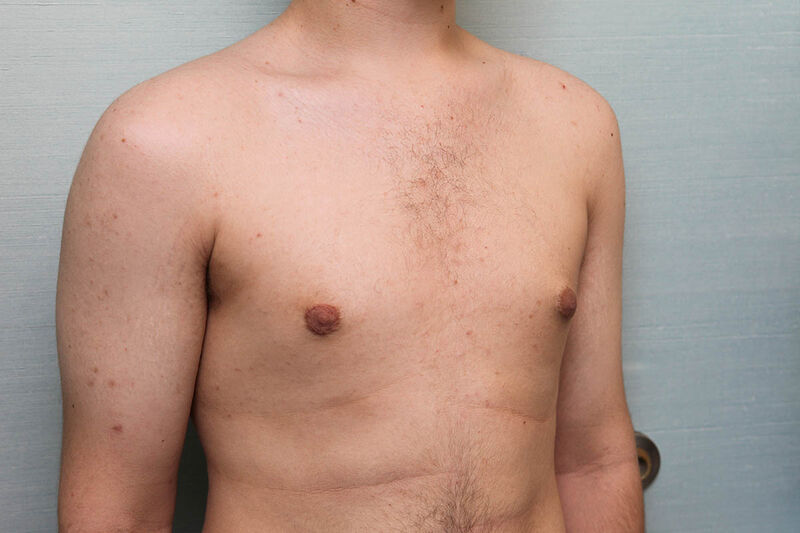
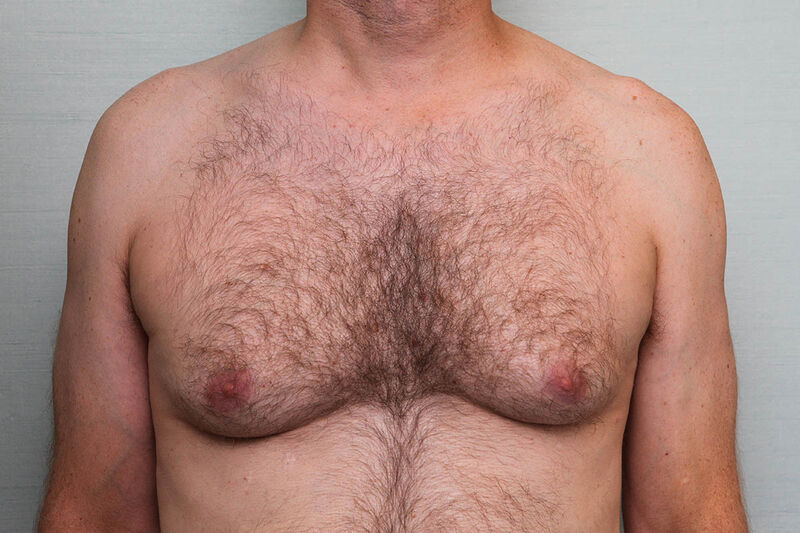
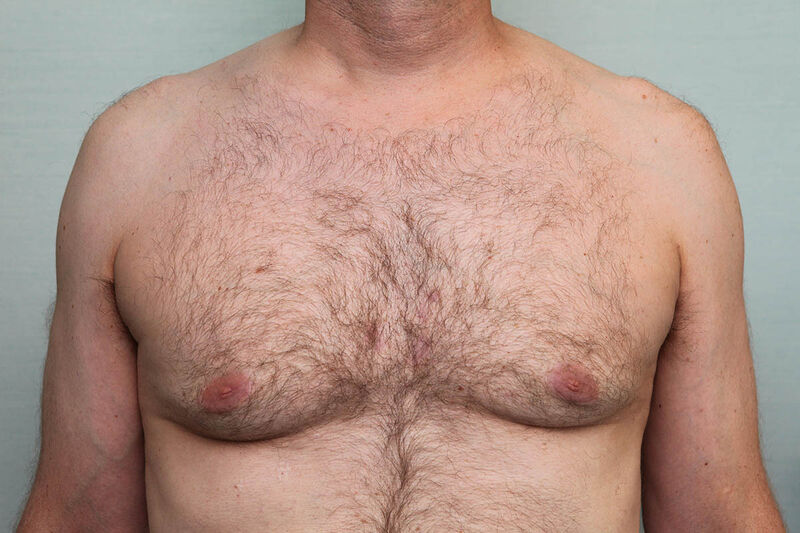
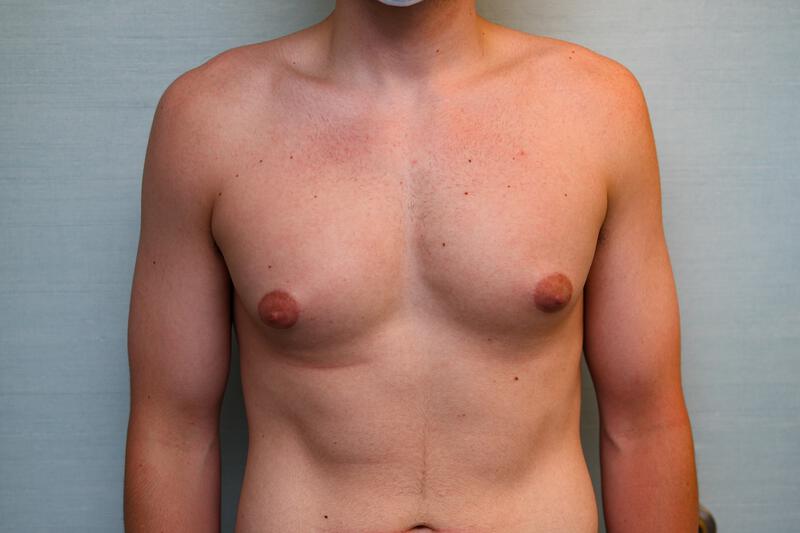
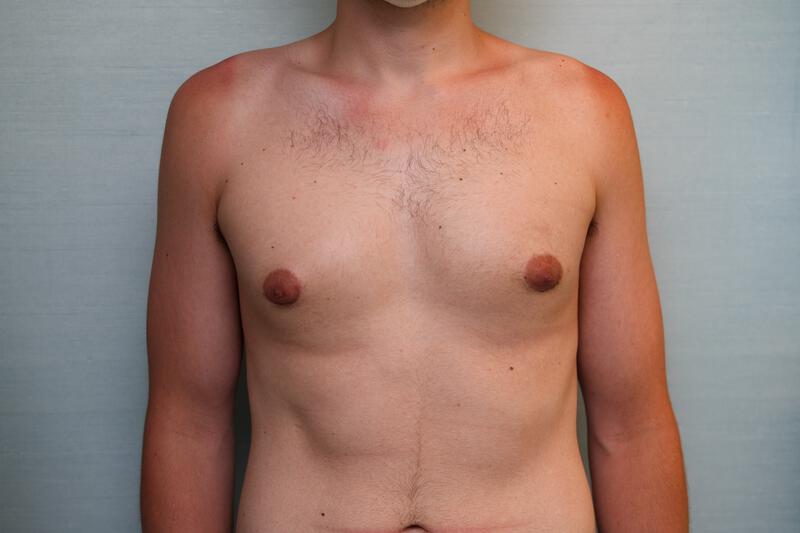
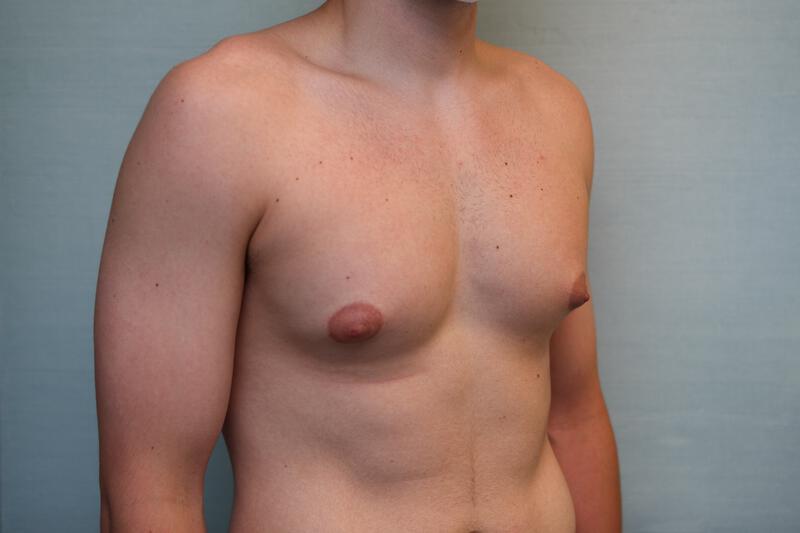
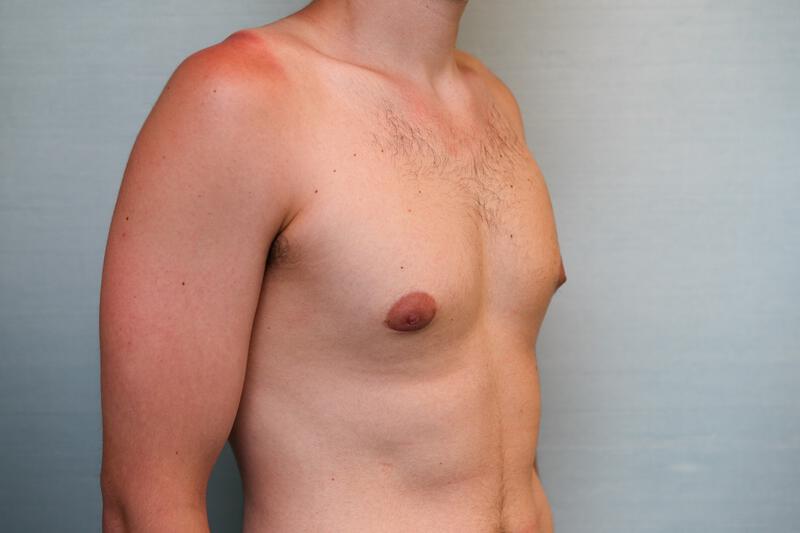
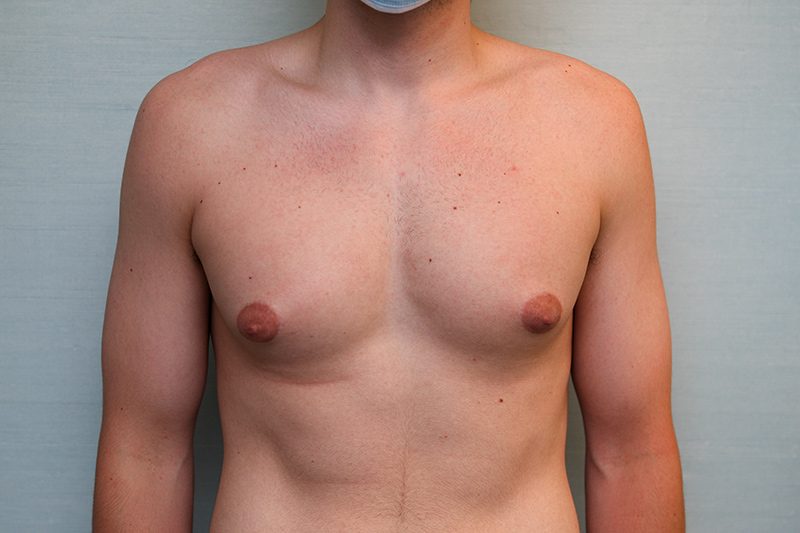
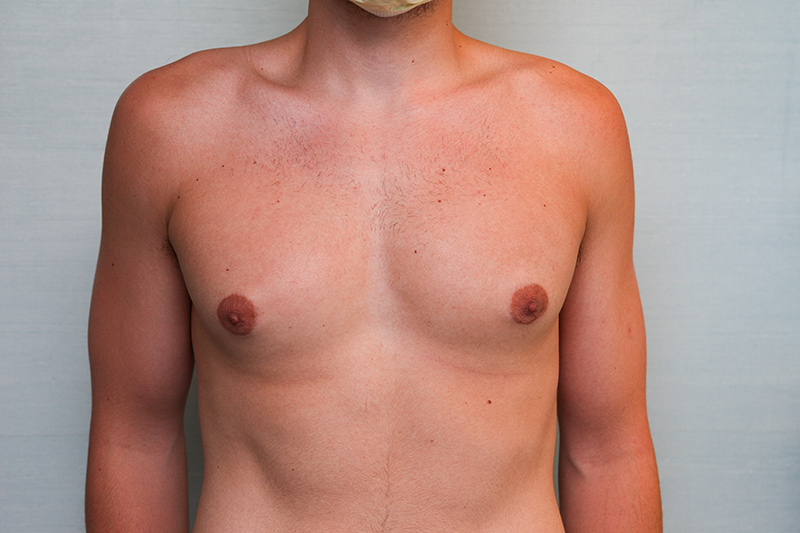
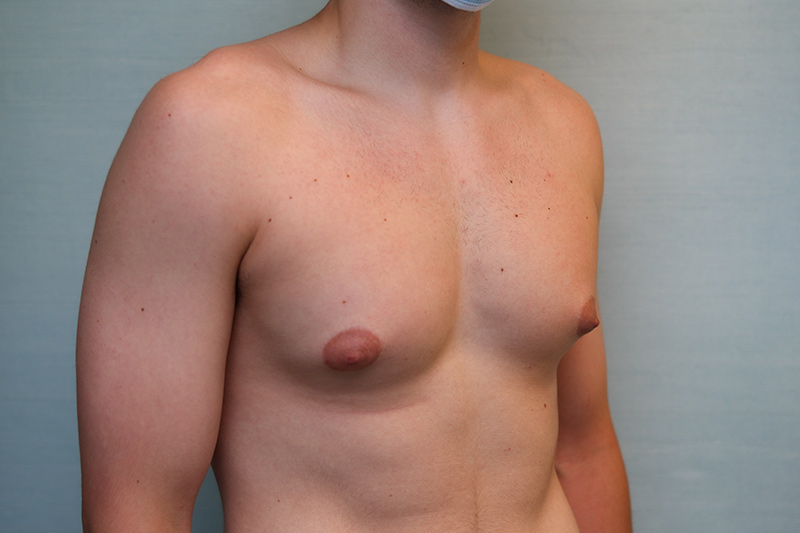
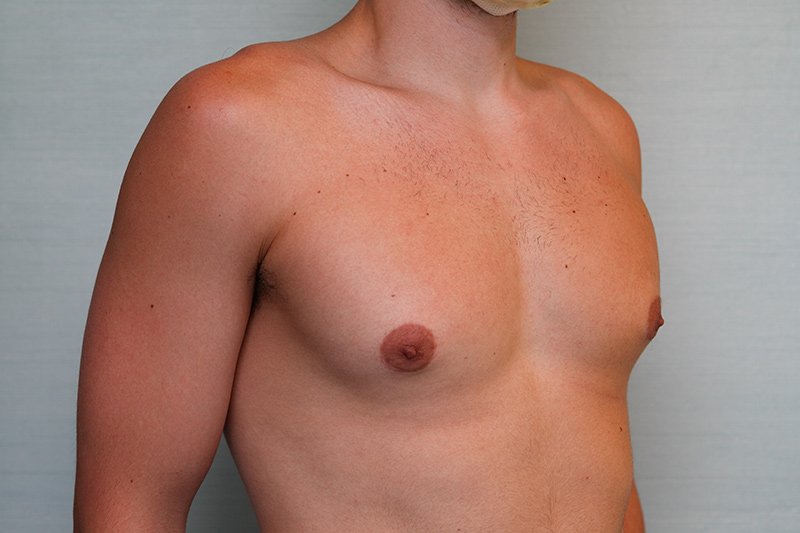
Gynecomastia is a condition in which the glandular and/or fatty tissue of the male chest is enlarged and/or sometimes, unbalanced.
Our experienced team of Westport plastic surgeons is committed to providing a tailored solution through Gynecomastia Surgery, also known as male breast reduction, meticulously designed to sculpt a more masculine chest contour.
 Swipe To Next
An enlarged, feminine-appearing chest can be a source of embarrassment and emotional distress for male adolescents and men. Today’s plastic surgical techniques are designed to improve your confidence and enhance your self-esteem with a more masculine, physically fit appearance to the chest. Dr. Joseph O’Connell has great empathy for those suffering from gynecomastia. He has been featured on the national television program, Inside Edition, performing male breast reduction with ultrasonic liposuction.
For patients with gynecomastia Dr. O'Connell's Westport plastic surgery center has several different treatment options, depending upon its glandular-versus-fatty origin and whether skin excess is present. Our goal is always to minimize scarring and, while we commonly treat male breast reduction with gynecomastia surgery, we’re particularly enthusiastic about treating it with BodyTite. BodyTite is a minimally invasive procedure that utilizes radiofrequency assisted liposuction (RFAL) to liquefy fat and tighten skin without need for general anesthesia. With BodyTite the scars are extremely small.
Gynecomastia is simply an enlargement of the male breasts. The condition can affect one or both breasts and can occur at nearly any stage of life.
Dr. Joseph O'Connell in Westport and Fairfield County
To be a candidate for gynecomastia surgery Westport patients should be in good general health with a stable weight and have concerns about their chest having a feminine appearance. Patients should also have realistic expectations about the surgery, its results and attendant scarring.
There are many causes of gynecomastia and it is important to rule out serious medical conditions, medication use, and other causes prior to considering gynecomastia surgery.
Dr. O’Connell works with specialists in both adolescent and adult endocrinology, and he will assist in the coordination of any necessary medical evaluation.
Gynecomastia may resolve on its own, particularly in adolescents. For persistent gynecomastia there are many surgical options for male breast contouring, some as simple as liposuction and others involving skin removal and nipple relocation. Less invasive options exist as well including BodyTite and even CoolSculpting.
Male breast reduction is one of the most common techniques utilized by Dr. O’Connell for treatment of gynecomastia. This involves removal of glandular tissue through an incision along the lower portion of the areola in conjunction with liposuction. Dr. O’Connell has utilized ultrasonic liposuction in his practice since the late 1990’s and he has performed correction of gynecomastia with ultrasonic liposuction on the television program, Inside Edition. Recently he has treated gynecomastia with BodyTite and even CoolSculpting has been used in certain cases.
Our goal for surgical treatment of the chest is to relieve the condition adequately so that our patients can participate more fully in activities where embarrassment and anxiety would otherwise occur. This can include sports and social activities where certain clothing styles would ordinarily be worn or where removal of one’s shirt might occur. It’s important to note that the surgical goal may not necessarily involve removal of one’s shirt in public because skin removal, and/or more extensive scarring, may result in some cases.
Unfortunately, in most Westport gynecomastia surgery instances, insurance carriers will not provide coverage for this aesthetic treatment. We will work with you to find a solution that fits within your budget and lifestyle.
Yes, we have treated some cases of fatty gynecomastia Westport patients were suffering from, with CoolSculpting – the leading non-invasive technique of fat reduction.
The recovery period following treatment of gynecomastia can vary depending upon how it is treated. Expect some bruising and swelling after male breast reduction surgery and pressure garments are commonly worn after surgery, liposuction and BodyTite.
There are many great benefits for a man to consider gynecomastia surgery, including:
The first step towards a new, beautiful you is to schedule a personal consultation.
Along with providing the highest level of care, no effort is spared to create an environment where each patient is nurtured and cared for as an individual. Use our form to contact Dr. O’Connell with questions about any of our aesthetic or plastic surgery procedures.
Call us Today (203) 454-0044


Office Hours
Mon-Fri: 9am - 5pm
Sat: 10am - 1pm
Dr. O'Connell proudly serves patients from Westport, New Canaan, Bridgeport, Greenwich and all of Fairfield County Connecticut.
Disclaimer | No Surprise Disclaimer*
Privacy Policy | Accessibility Statement | Sitemap
*Good faith estimates are available upon request per the No Surprises Act.
Plastic Surgery Marketing by Influx
© 2026 Joseph B. O’Connell, MD