Westport, New Canaan, Fairfield County & all of Connecticut
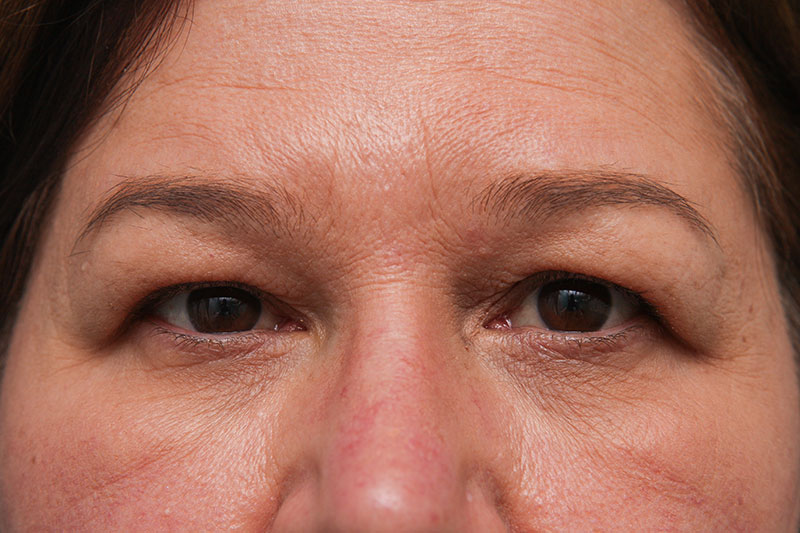
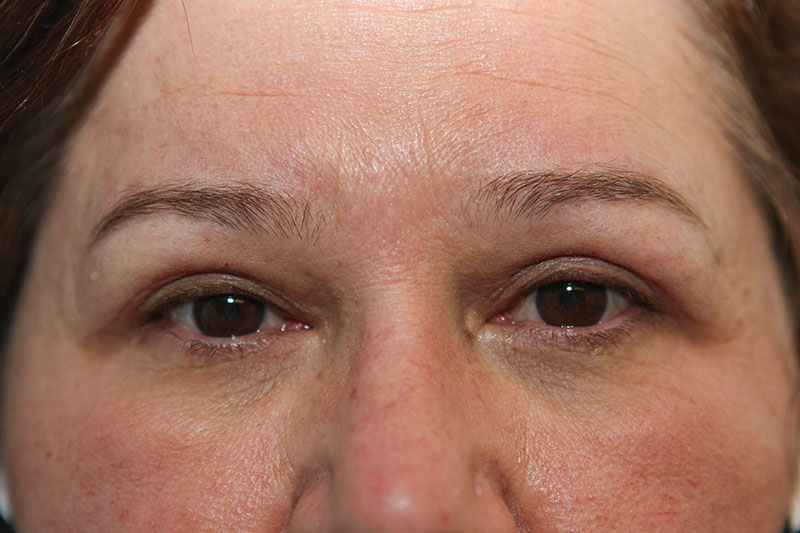
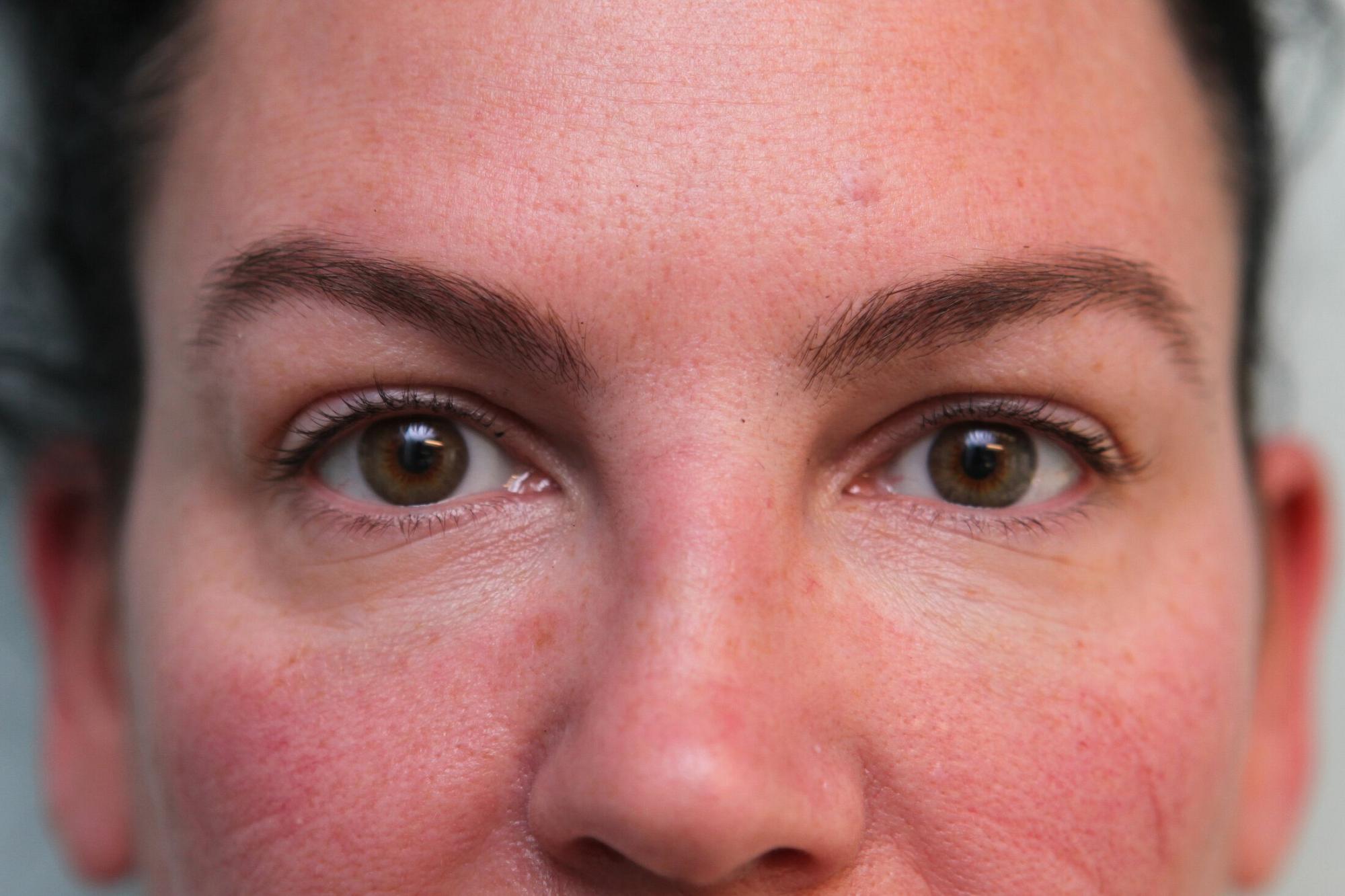
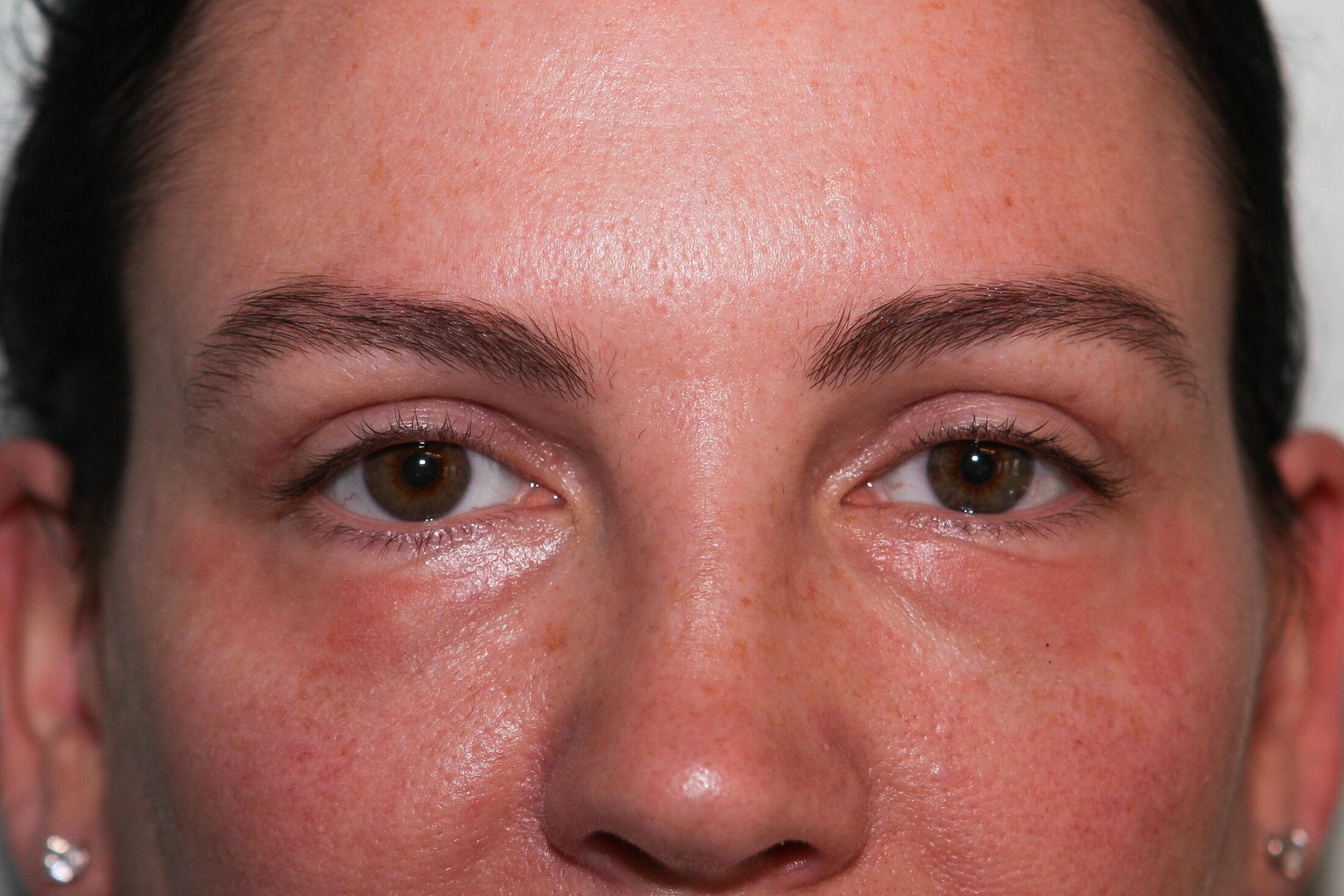
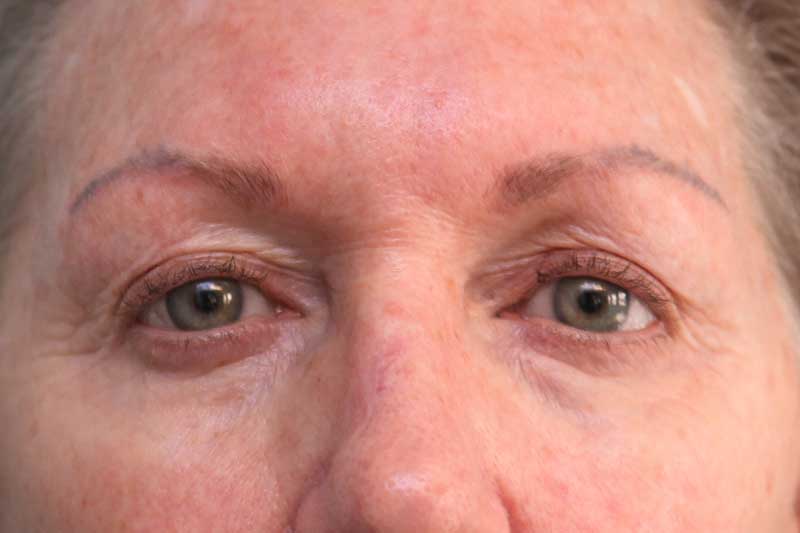
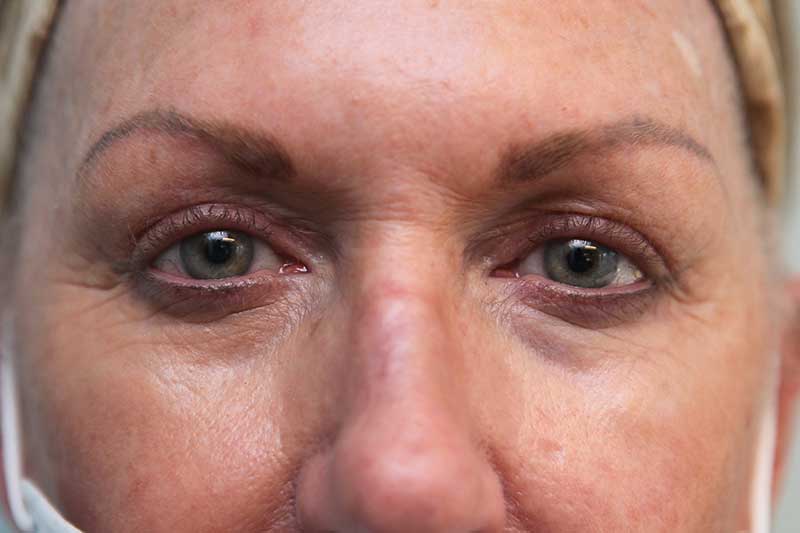
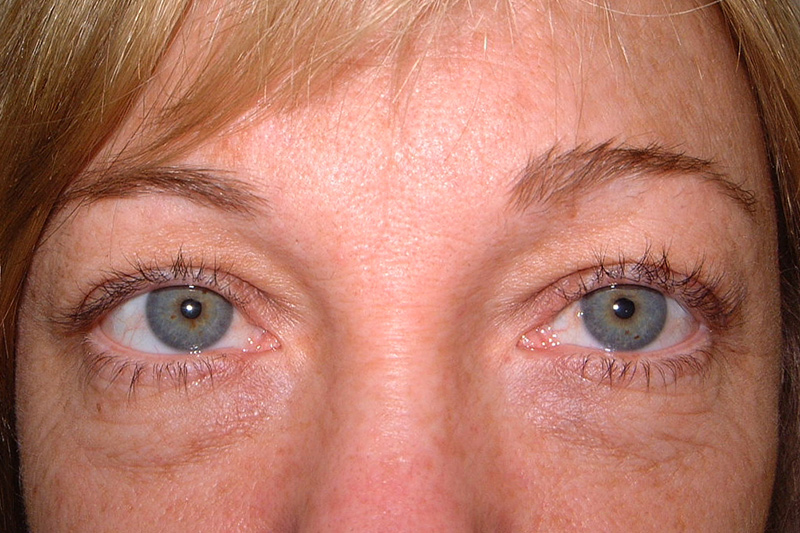
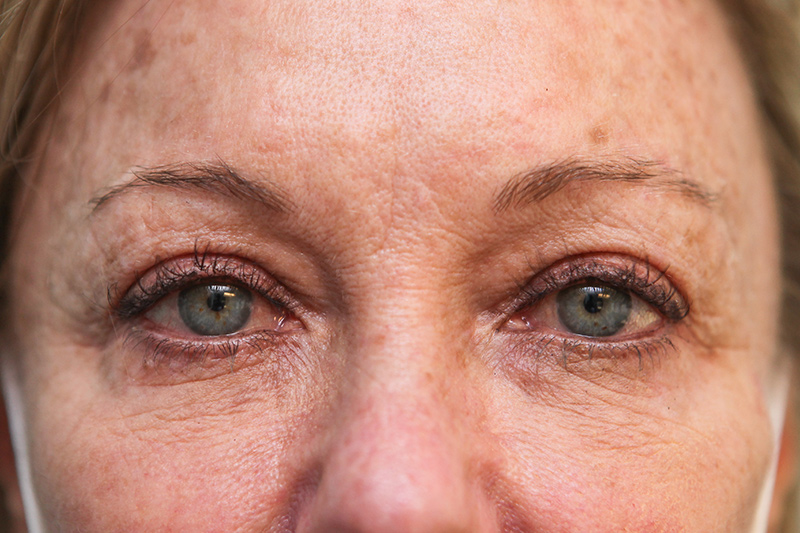
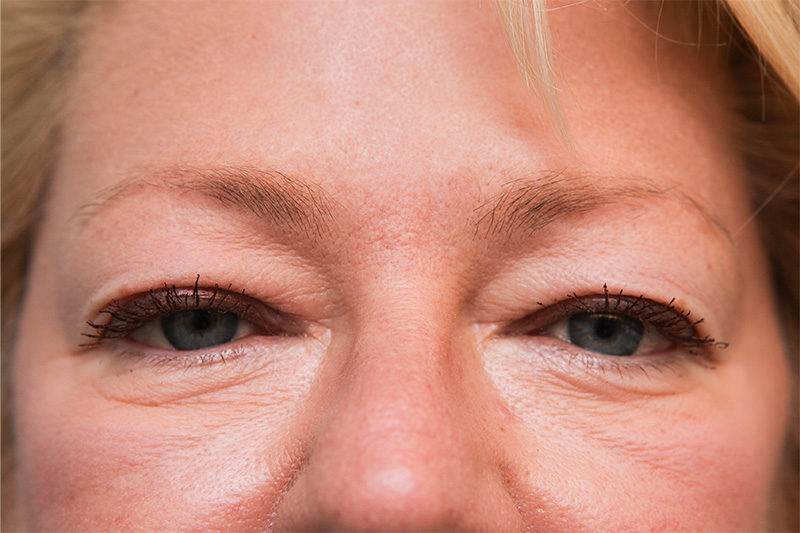
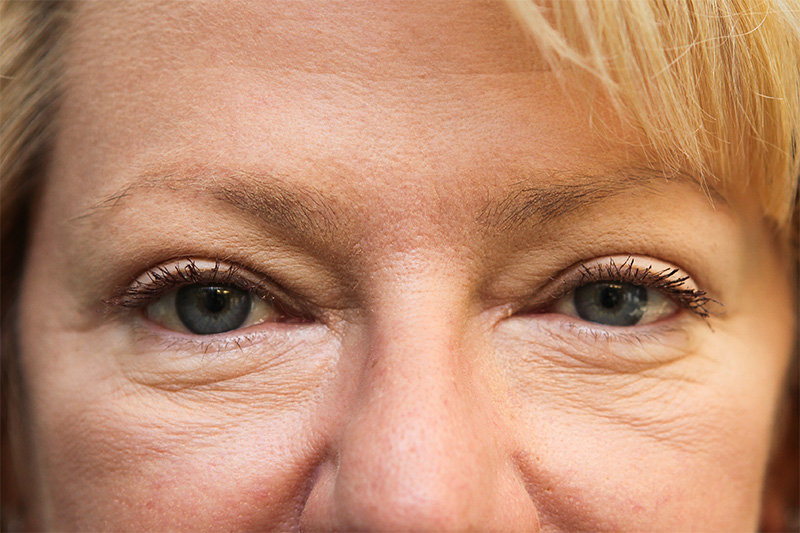
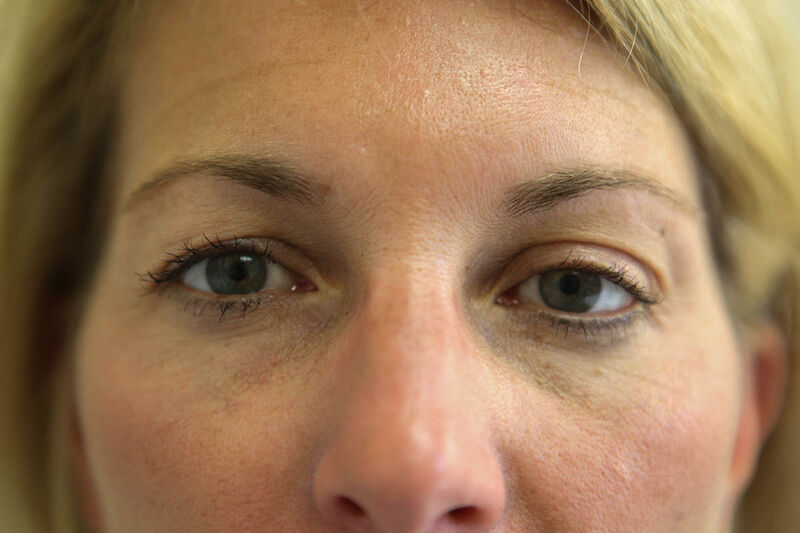
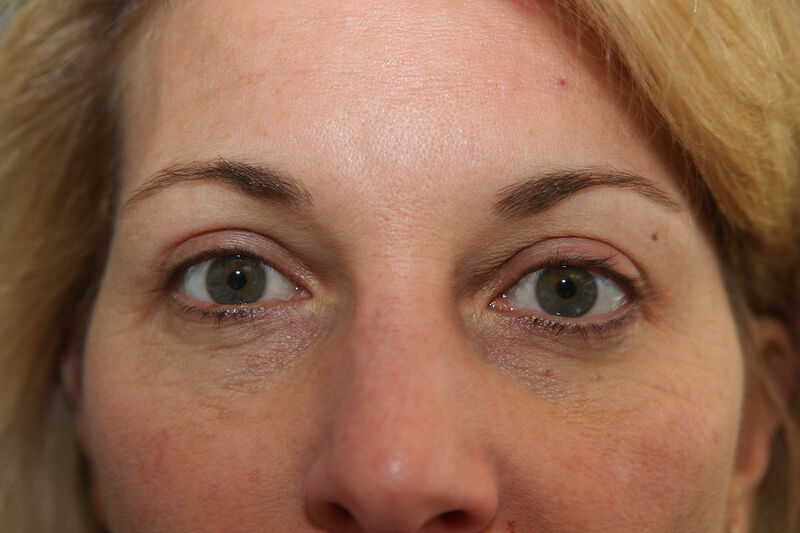
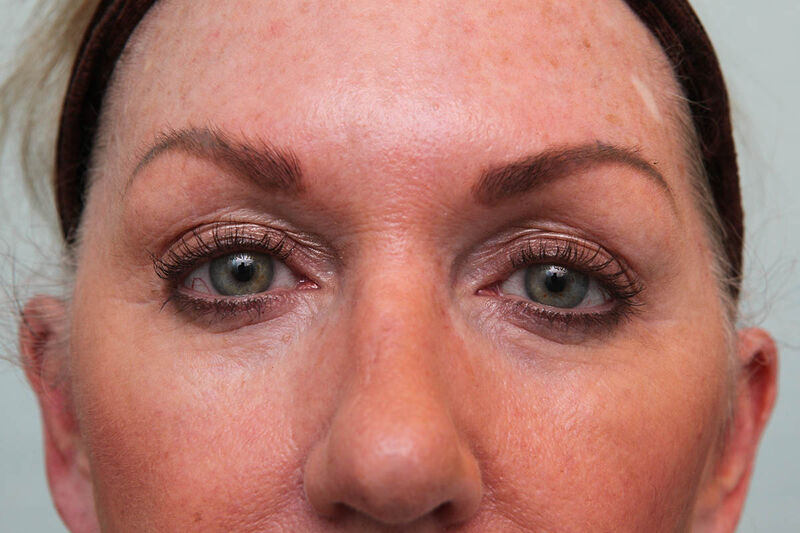
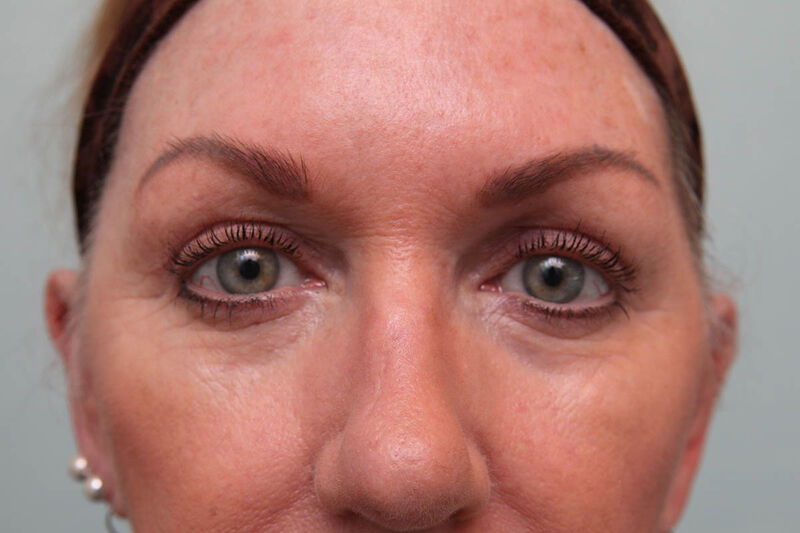
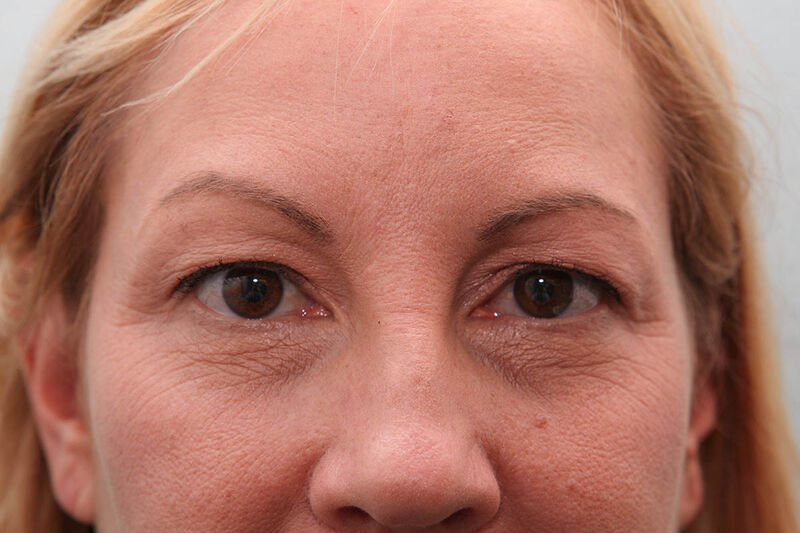
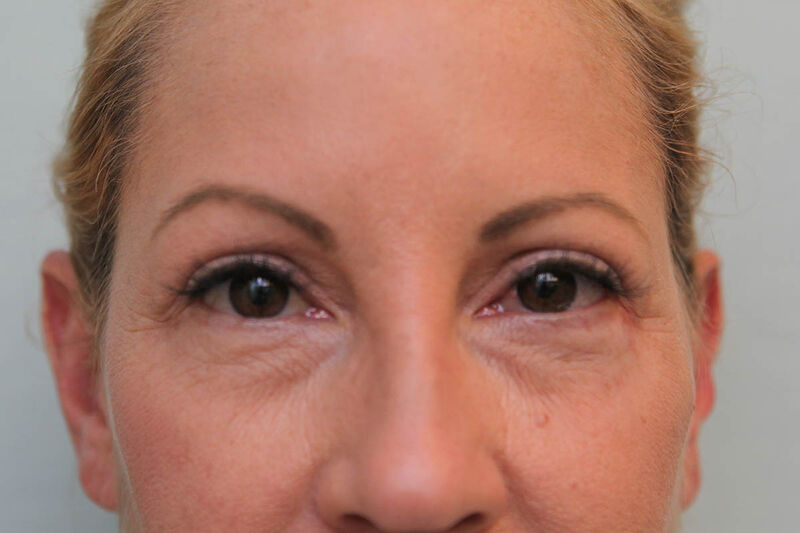
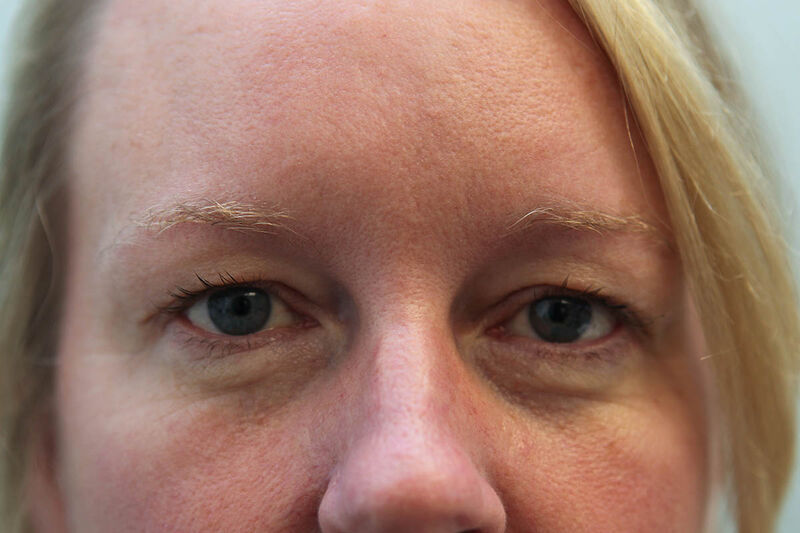
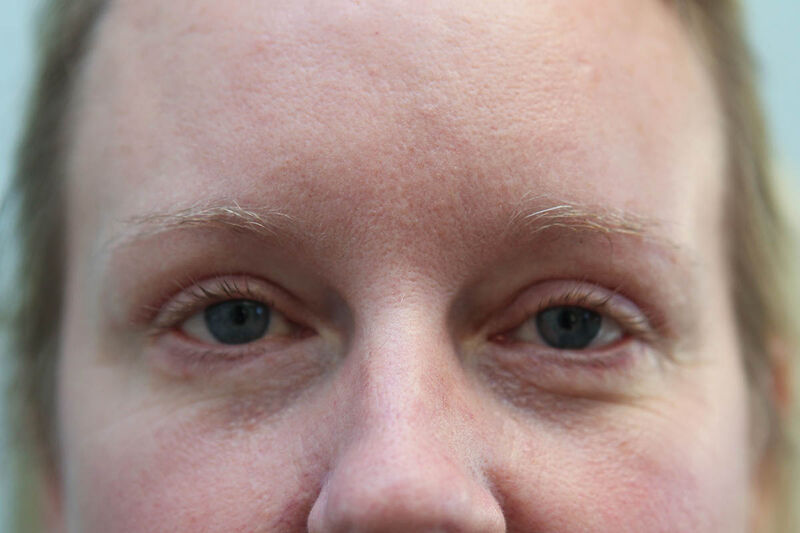
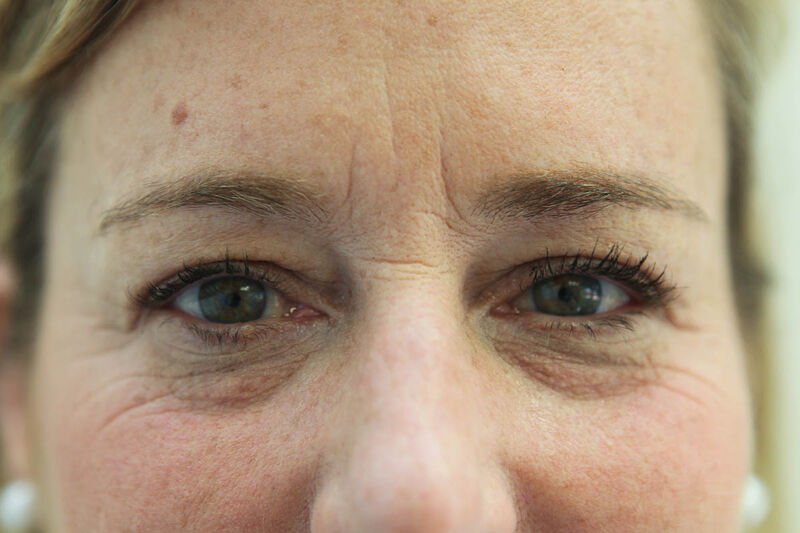
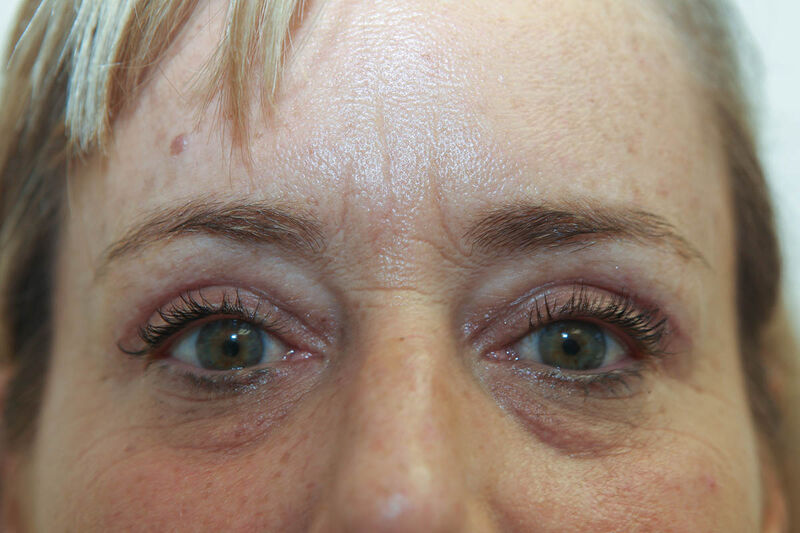
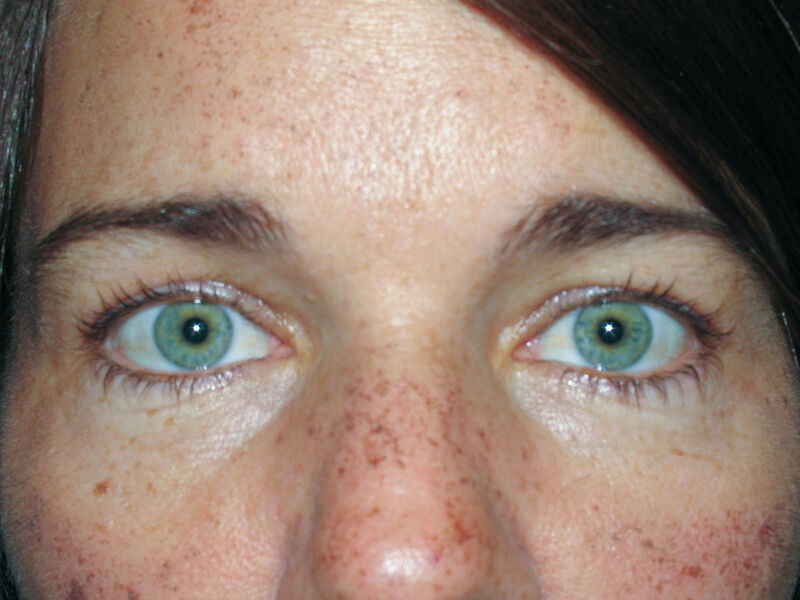
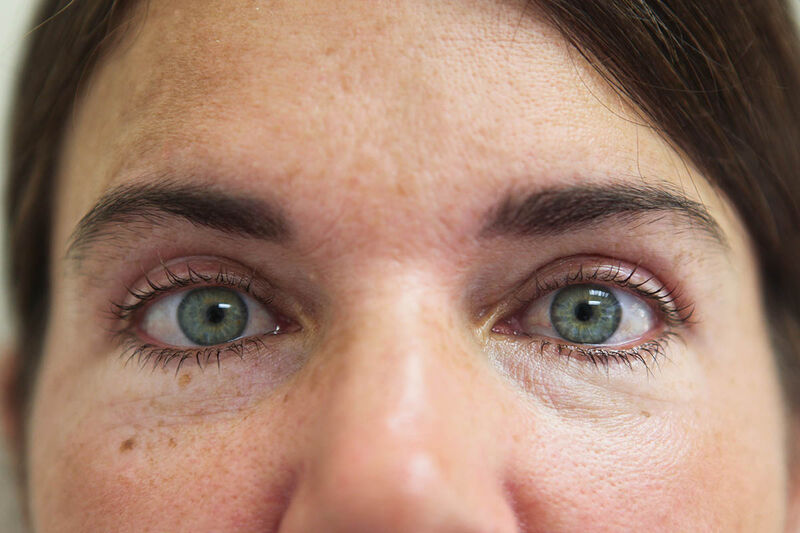
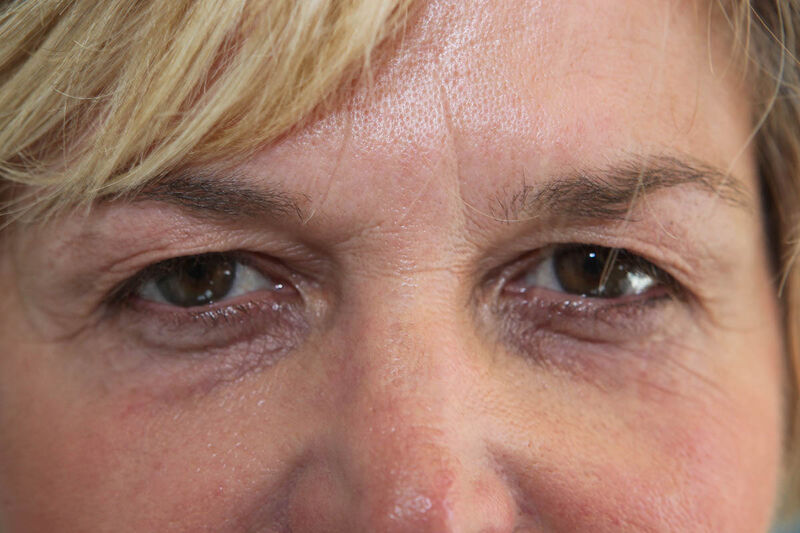
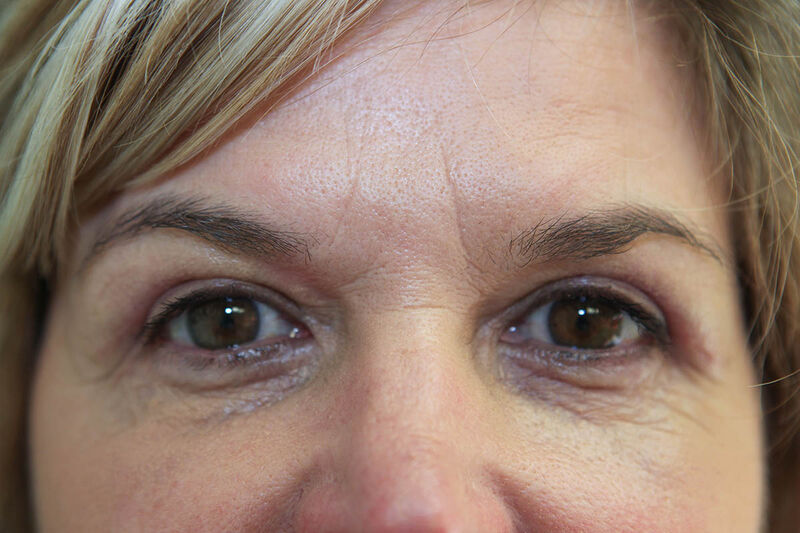
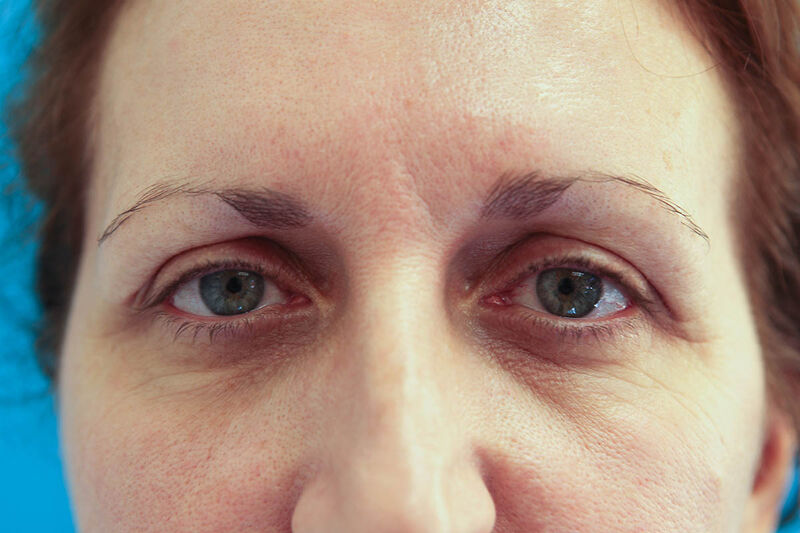
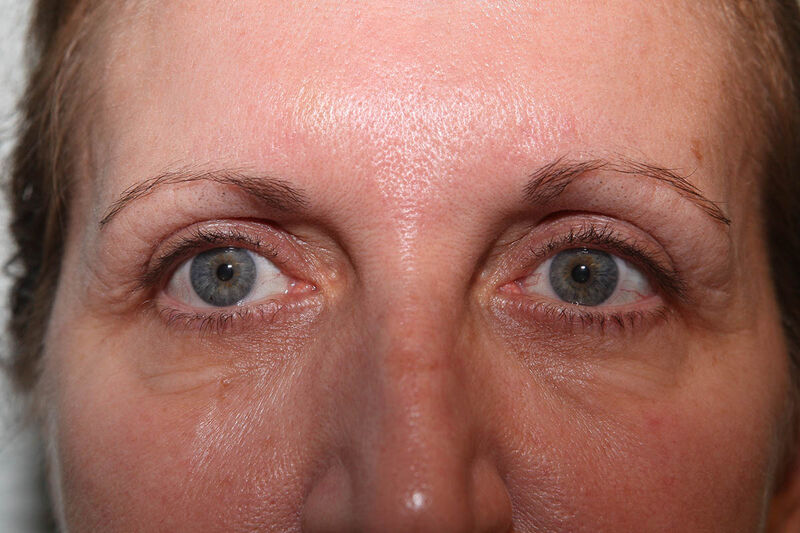
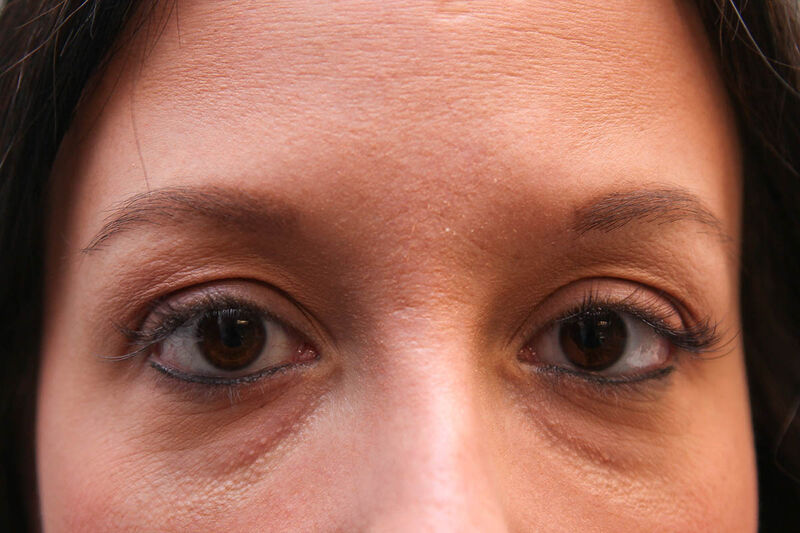
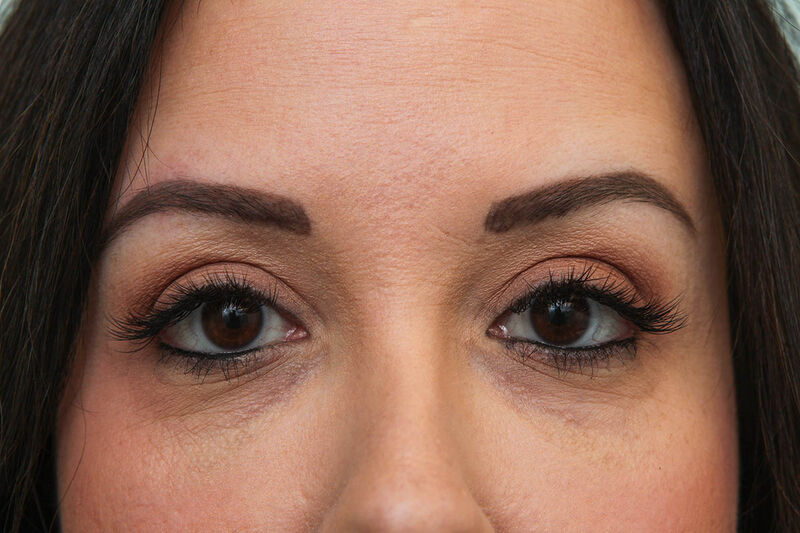
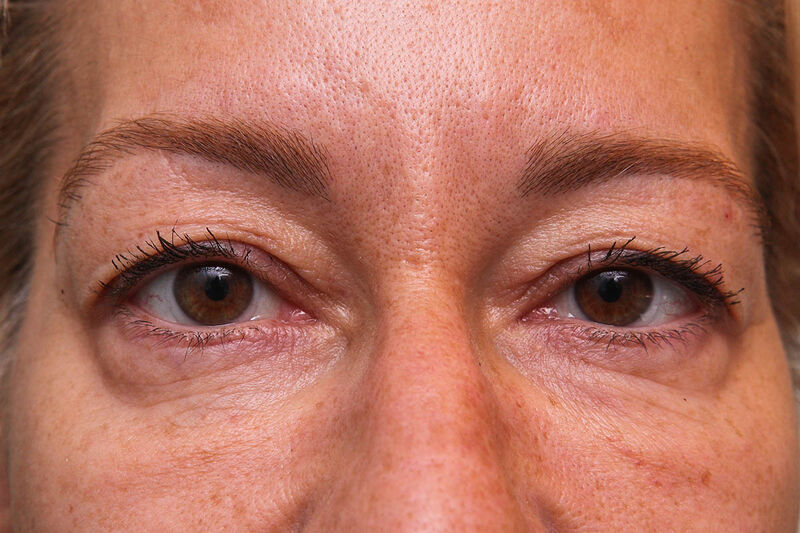
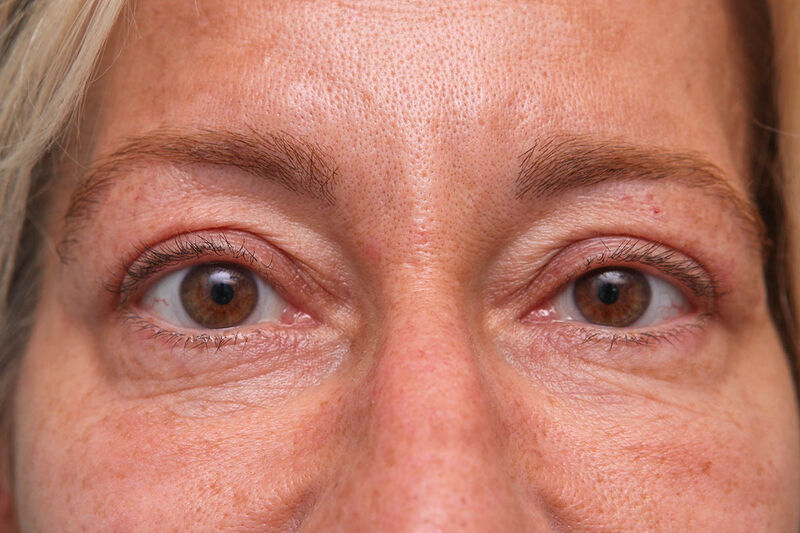
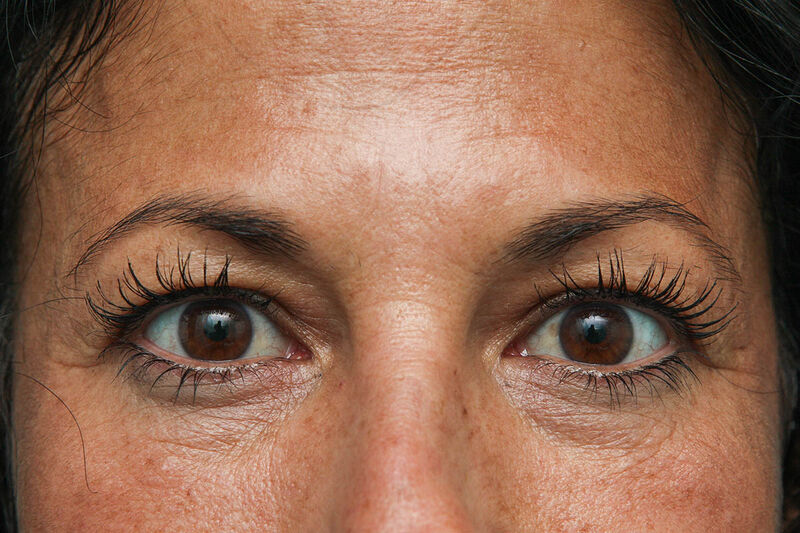
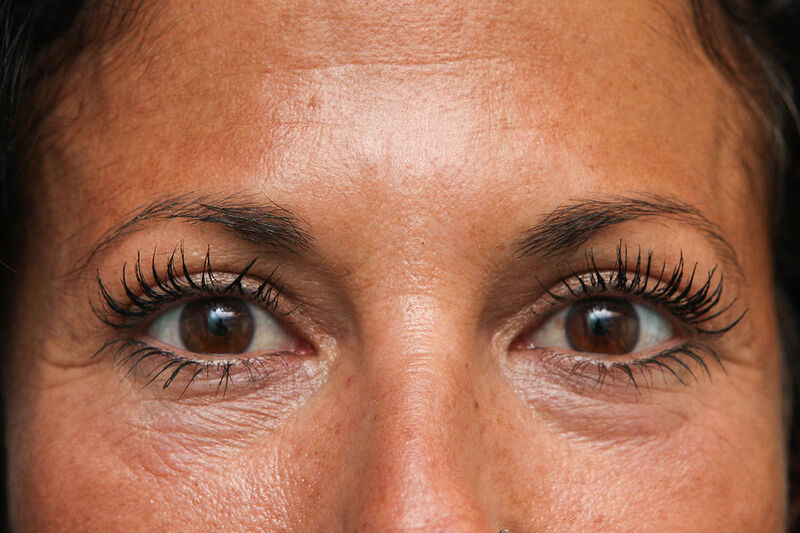
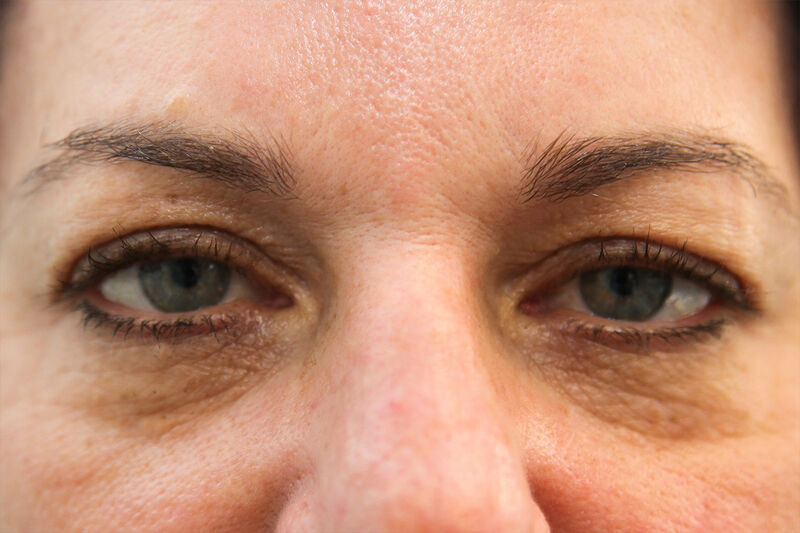
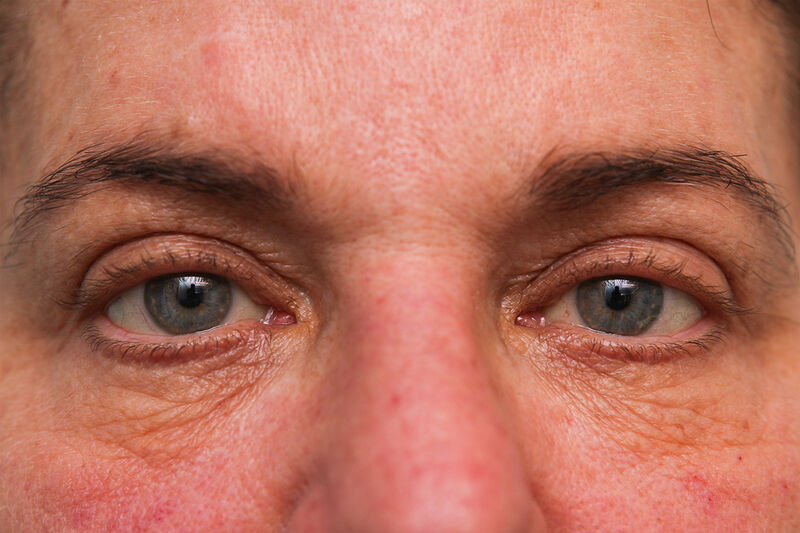
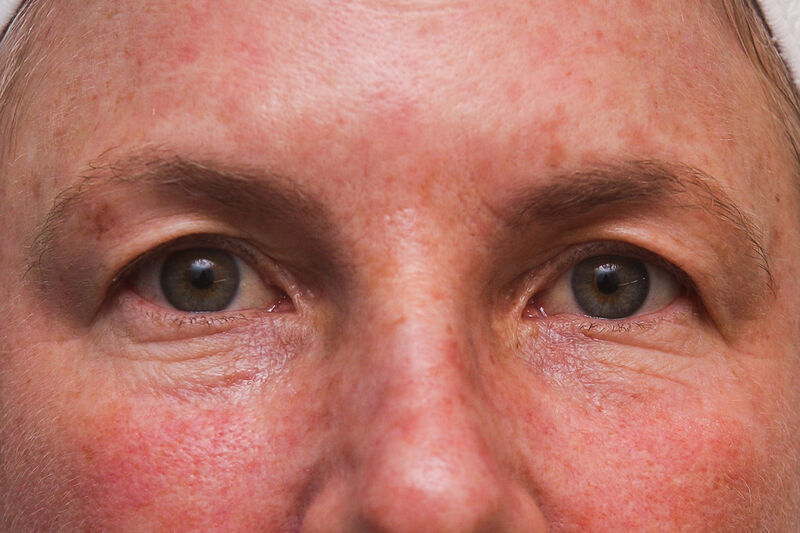
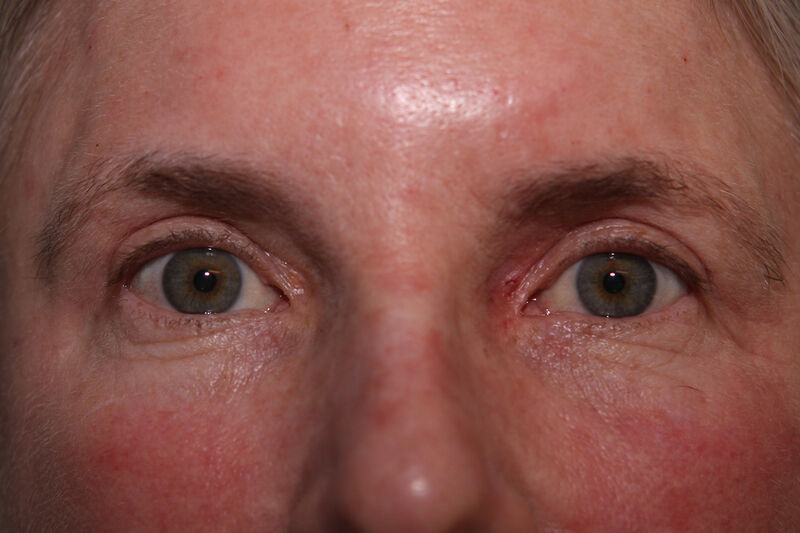
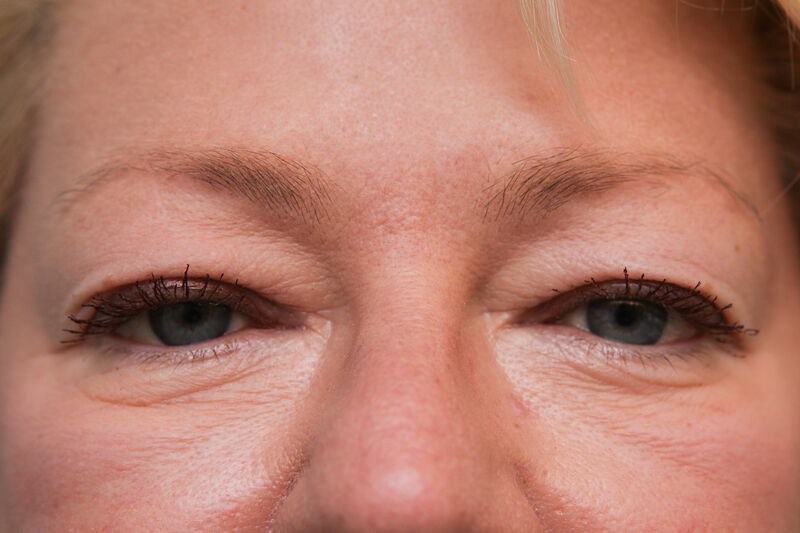
Our eyes reveal our emotional and physical well-being and are considered the window to our soul. Over time, the accumulation of loose skin and puffiness can result in a tired, aged appearance.
 Swipe To Next
Our approach is individualized for each and every patient depending upon their anatomy and the effects of the aging process.
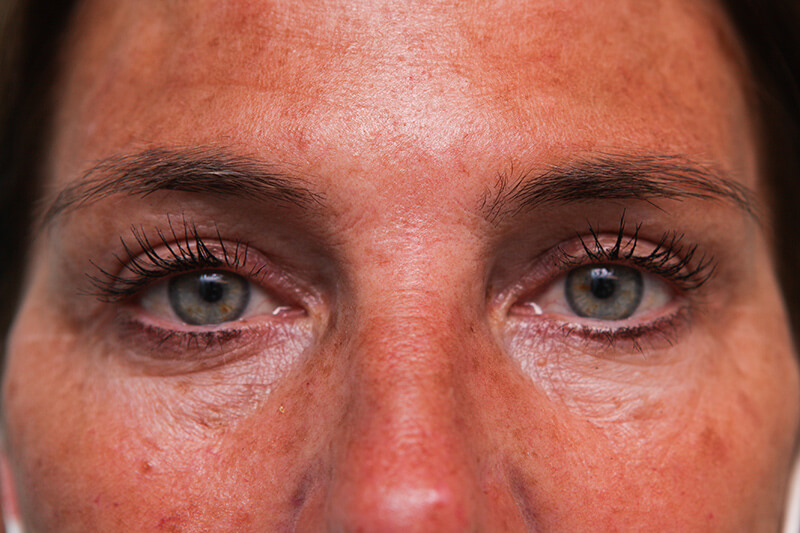
Eyelid surgery (blepharoplasty) and other related non-surgical procedures are ideal options for tightening the eyelid skin, removing the bags, and softening the hollows to achieve a more youthful, rested, and energetic look. Blepharoplasty has evolved from just the traditional surgical approach to a group of procedures, including minimally and non-invasive options, individualized for each patient—and our preference is for conservative, less-invasive techniques.
Eyelid Lift - CBS Early Show Upper Eyelid Surgery
Upper eyelid lift performed under local anesthesia by plastic surgeon, Dr. Joseph O'Connell as reported by the CBS Early Show.
Adults With Aged Eyes
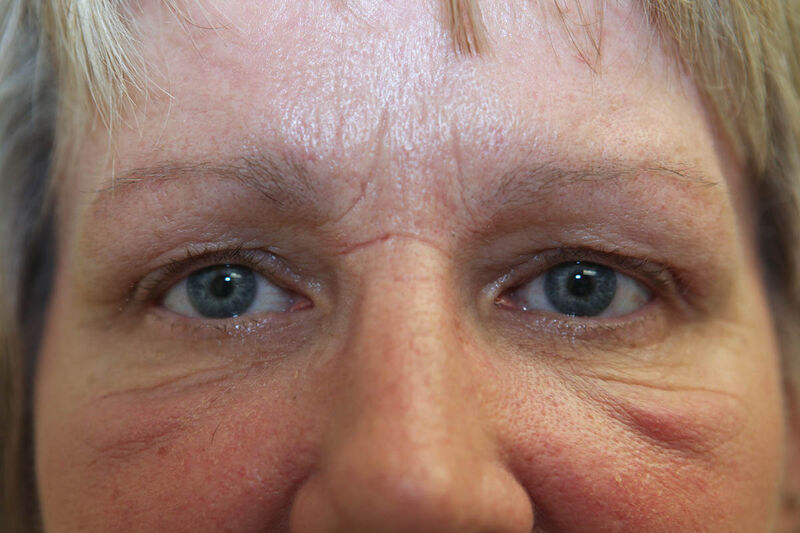
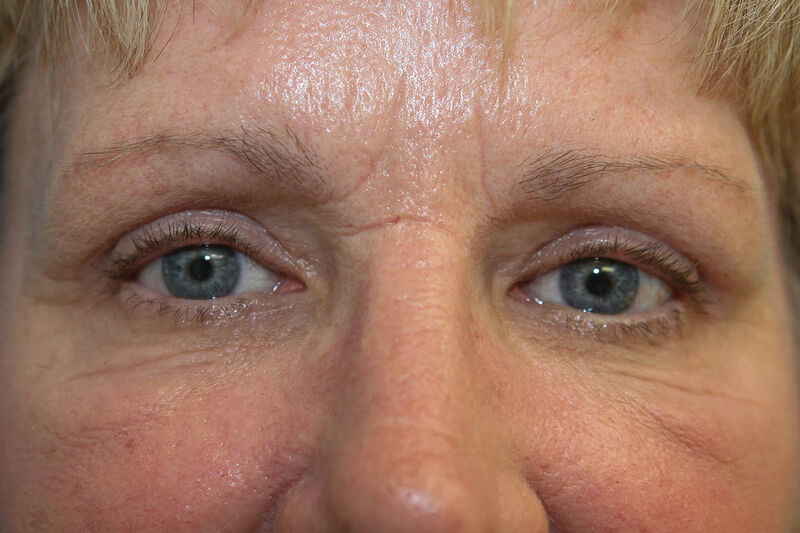
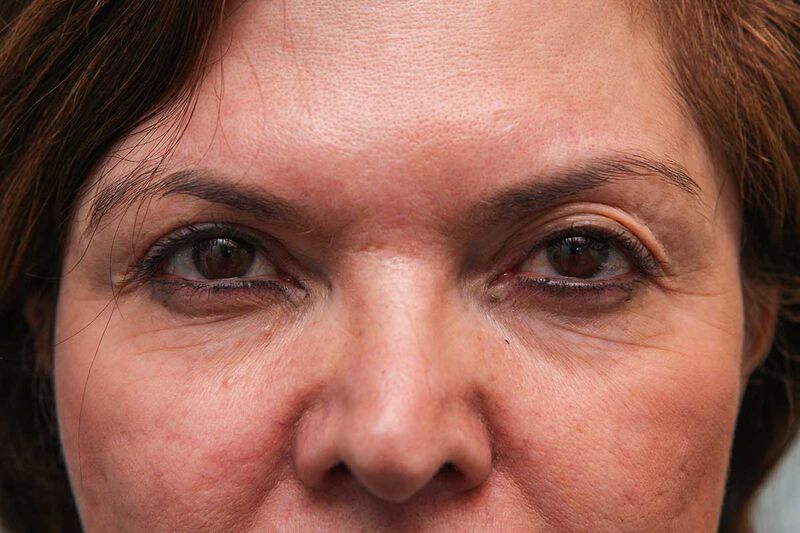
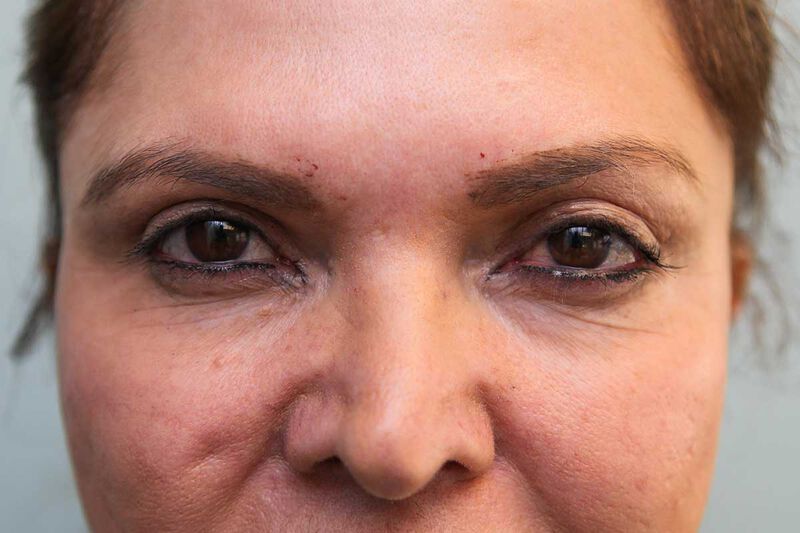
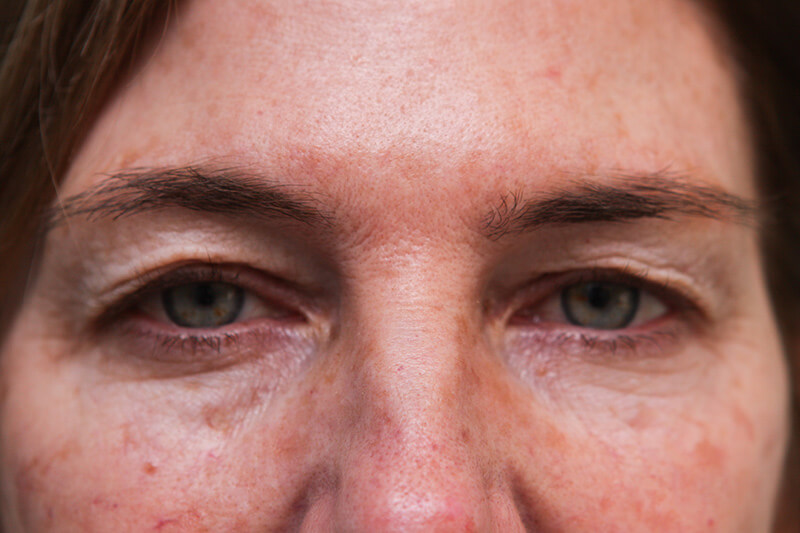
Healthy adults who show signs of aging in the upper and/or lower eyelids can benefit from blepharoplasty and the related non-invasive procedures. These changes include droopy or “hooded” upper eyelids as well as a tired and wrinkled appearance in the lower lids, often accompanied by “bags” and tear trough formation at the lid-cheek junction.
Patients With Visual Obstruction
Many people undergo blepharoplasty for more than cosmetic reasons. The excess skin and tissue that hoods and weighs down the upper eyelids can obstruct vision. When this occurs, insurance reimbursement can sometimes be obtained, and Dr. O'Connell will work with your insurance carrier on your behalf. There is no extra charge for this service.
Dr. Joseph O'Connell in Westport and Fairfield County
The best candidates for Westport blepharoplasty by Dr. O'Connell are in good general health and also have good ocular health. Dr. O’Connell will carefully evaluate your eyelid anatomy in the context of your overall facial aesthetics along with anticipated recovery times, costs, and risk tolerance to help you determine which procedures might provide the best results for you and best fit your lifestyle.
During your consultation, you and Dr. O’Connell will review your aesthetic concerns and the individualized goals of your blepharoplasty. Your medical history, allergies, medication, vitamin and supplement use, and especially any prior eye problems or surgeries, will be reviewed in detail.
After a careful examination of your eyelids and adjacent facial structures, such as the forehead, eyebrows, and cheeks, the various surgical and non-surgical options for blepharoplasty will be reviewed along with their risks, recovery times, and likely outcomes. In most cases, photographs and computer graphics will be used to help you understand your anatomy, the aging process, your aesthetic goals, and how the procedures are performed.
Before your Westport blepharoplasty procedure, you may be asked to:
In all cases, a responsible adult must drive you home from your surgery and stay with you for the first night.
Depending on the patient’s needs, upper eyelid surgery, lower eyelid surgery, or both can be performed.
As with all surgical procedures, blepharoplasty carries some risks and potential complications, some of which may include:
Dr. O’Connell performs most upper eyelid surgeries under only local anesthesia and he has demonstrated his technique on the CBS Morning Show. This saves our patients risk and cost. In most cases, lower blepharoplasty is performed under local anesthesia alone or with the addition of monitored intravenous sedation. For non-invasive approaches to blepharoplasty Westport patients are given local anesthesia or require no anesthesia whatsoever.
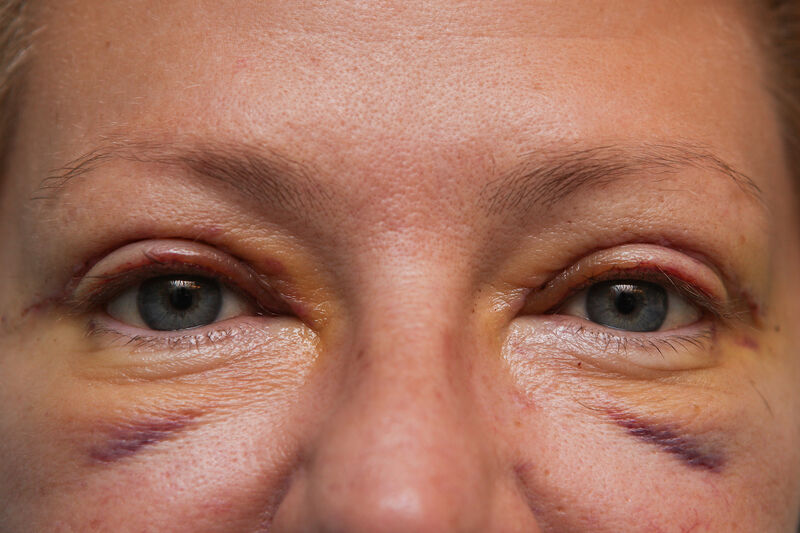
Westport blepharoplasty patients can return home one to two hours after surgery. It is important to keep the head elevated and to apply cold compresses to control bruising and swelling. Dr. O’Connell will provide you with written instructions detailing how to care for your eyelids and how to administer your medications.
Sutures are usually removed in four to five days. Dr. O’Connell invariably closes the upper eyelids with an advanced technique using a single running stitch that is easily and quite comfortably removed. This is done to avoid suture marks on the upper eyelids. Most patients can return to sedentary activities within a few days. Return to exercise will depend upon the techniques utilized.
When it comes to blepharoplasty Westport patients of Dr. O'Connell's experience procedures expertly designed to minimize scarring. Over time, scars fade and become less visible. Early on, most scars can be easily concealed with makeup.
Most non-invasive approaches to eyelid rejuvenation, including laser and radio frequency treatments, are designed to be completely scarless.
The price of a blepharoplasty in our Westport facility will vary based upon the techniques utilized. The final cost of your procedure will be reviewed during your consultation and will include anesthesia fees, operating room fees, and any other related expenses.
With non-invasive approaches, there are no anesthesia or operating room fees.
Because we offer an on-site surgical suite, we can often perform blepharoplasty at a significantly lower cost to you than our competitors.
Be sure and ask if the price quoted includes all anesthesia and facility fees. Do not be fooled by a low surgeon’s fee accompanied by unknown anesthesia and facility costs.
Following blepharoplasty, discomfort is minimal. Pain medication will be provided along with a topical antibiotic ointment.
The first step towards a new, beautiful you is to schedule a personal consultation.
Along with providing the highest level of care, no effort is spared to create an environment where each patient is nurtured and cared for as an individual. Use our form to contact Dr. O’Connell with questions about any of our aesthetic or plastic surgery procedures.
Call us Today (203) 454-0044


Office Hours
Mon-Fri: 9am - 5pm
Sat: 10am - 1pm
Dr. O'Connell proudly serves patients from Westport, New Canaan, Bridgeport, Greenwich and all of Fairfield County Connecticut.
Disclaimer | No Surprise Disclaimer*
Privacy Policy | Accessibility Statement | Sitemap
*Good faith estimates are available upon request per the No Surprises Act.
Plastic Surgery Marketing by Influx
© 2026 Joseph B. O’Connell, MD